10 Common Challenges in Flare Gas Capture Projects
The routine flaring of waste gases is no longer only an environmental problem; it has turned into a regulatory, financial, and operational burden. Yet, a big part of flare gas recovery projects not reaching their targets shouldn’t be attributed to a lack of technological maturity; rather, the real difficulties are not taken seriously or are misunderstood.
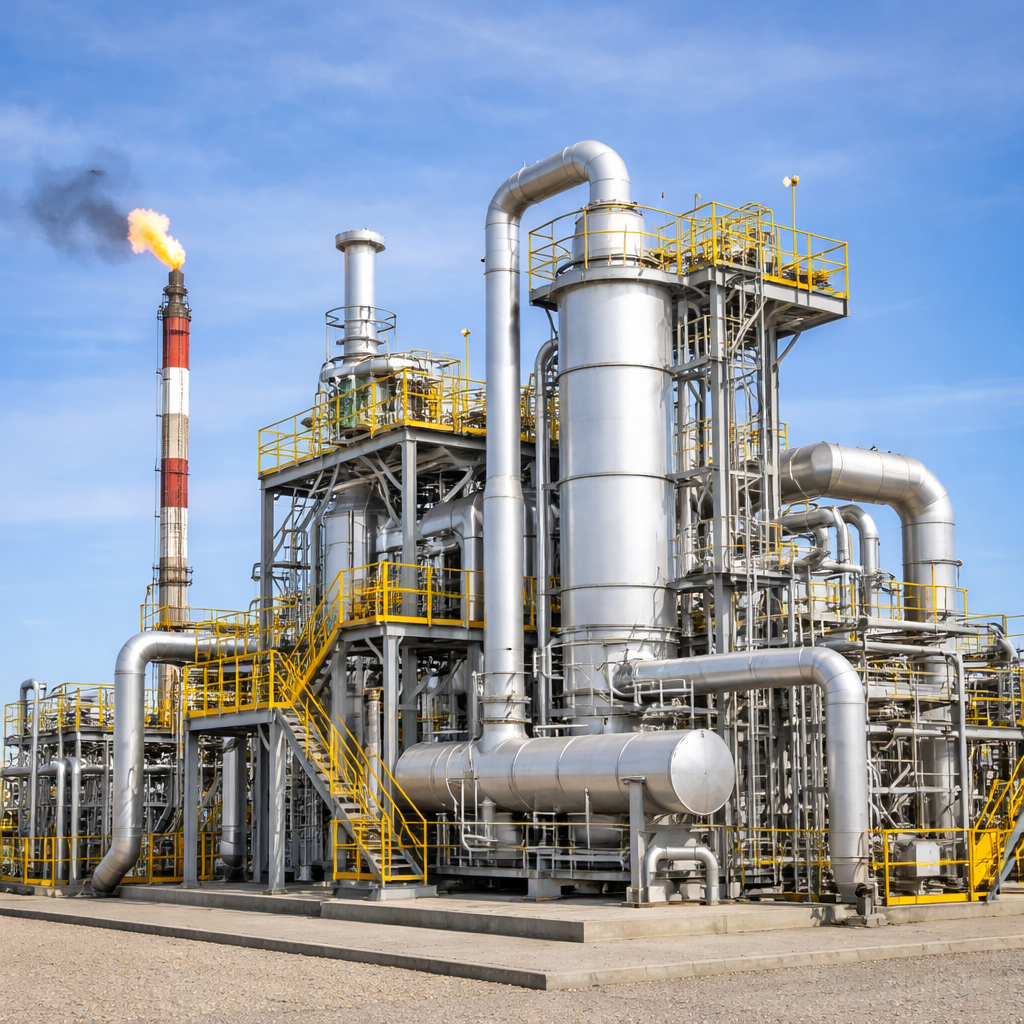
KAITIANGAS has gained expertise in the gas recovery sector for two decades now. By reviewing our hands-on experiences, we have listed 10 prevalent issues in flare gas recovery projects. Our intention is for you and your team to benefit from this.
1. Is Flare Gas Recovery Technically Feasible at My Site?
The answer to this question of whether flare gas recovery is technically feasible at a specific site is not straightforward; it entails an assessment and measurement. The five essential conditions that establish technical feasibility are the occurrence frequency of flaring, the pressure level, flow rate variations, and the specific composition of the flare gas at the site. A judgment regarding technical feasibility can be made only after these essential conditions have been evaluated. If you cannot figure this out, feel free to reach KAITIANGAS. We have licensed professionals who will evaluate your property and give you dependable answers depending on what is right with the current state of affairs.
2. What is The Minimum Flare Gas Flow Rate Requirement?
This is a case-to-case basis depending on the process, equipment capabilities, safety regulations, and recovery objectives like recovery efficiency and environmental requirements. The specific minimum limit can be found through detailed process design and risk assessment. Low-flow, low-pressure flare gas can still be technically recovered for the products that are currently available on the market. Recovery is technically possible as long as your site has continuous or predictable flaring.
3. What are The Effects of Variable Flare Gas Flow Rate?
The consideration of variable flare gas flow rates has direct implications for the operation, recovery, energy consumption, and long-term stability of the flare gas capture system. However, the capacity of the system is not reduced to the extent that it cannot be used. Not taking these factors into account in the initial design may result in the system being shut down often, low recovery rates, and increased maintenance costs for the overall project. KAITIANGAS is equipped with highly dependable and advanced flare gas capture solutions. Don’t hesitate to reach out to us in case of any requirements.
4. What are High Concentrations of H₂S or Acidic Gases Effects?
High concentrations of hydrogen sulfide (H₂S) or acidic gases might lead to an accelerated system corrosion process, and thus, they might reduce the lifetime of the system parts or more often replacement. But with using materials that are resistant to corrosion, constant monitoring of the gas, and pre-treatment, the flare gas recovery system will be able to work safely and efficiently. To be more precise, it will not stop recovery, but it will need a very good and professional design along with a correct and regular maintenance plan.
5. Can It Handle Gases with High Humidity or High Water Content?
It is feasible to handle such gases, however, it necessitates gas-liquid separation or dehumidification equipment upstream. Untreated wet gas or gas with high water content is not only a cause of compressor damage but also leads to difficulty in maintaining stable operation of the entire system. Even under such unfavorable conditions, the gas separation and drainage design could still allow the system to recover flare gas safely and efficiently.
6. How to Correctly Determine the Size of The Flare Gas Recovery System?
Flare gas recovery system size should be determined based on average or typical flow rates instead of extreme peak flow rates, while at the same time considering recovery efficiency goals and safety bypass requirements. The system should be able to handle the flow variations without any problem and the highest flows should be released through the flare in a safe manner. Proper sizing guarantees both recovery efficiency and reduction in capital investment and energy wastage.
7. Does Flare Gas Recovery Increase Safety Risks?
Certainly not. The sophisticated designs of flare gas recovery systems have always put the safety function of the flare at the top of their priorities. Additionally, any system breakdowns and flow exceeding the limit will be automatically directed back to the flare to ensure safe discharge. By means of pressure-resistant and explosion-proof equipment plus the independent control logic, the recovery system can indeed lower the number of venting events and thus, enhance the overall operational safety.
8. What Happens if The Flare Gas Recovery System Fails?
In the event of a system failure, the flare gas will be redirected to the flare for discharge and the process will not have any effect on the plant operation or safety functions. The design of the system guarantees that in the worst case, the flare will still be able to perform its entire discharge task so that site safety and production can go on without accidents and exposure of equipment and personnel to risk.
9. Is Flare Gas Recovery Economically Viable at Current Gas Prices?
The economic viability of recovery systems should not be based only on gas prices; other factors such as recovery volume, energy utilization ways, carbon emission reduction, and compliance incentives must be taken into account. The daily ups and downs of gas prices have an impact on the short-term however in the longer run the stricter environmental regulations and better energy efficiency are the main factors. Recovery systems give back the potential waste as energy, decrease carbon footprints and are usually seen as a good investment even if the payback period might be longer and thus, a thorough analysis of the short-term ROI needs to be done.
10. What are the Hidden Costs?
The hidden costs usually consist of piping and civil works, control system integration, hazardous area upgrades, long-term maintenance and spare parts, and operational management costs. These factors must be taken into account during the project planning to prevent cost overruns occurring later on.