2026 Europe Natural Gas Outlook: Opportunities and Challenges
The European natural gas market is transitioning into a new phase that is distinctly separate from the very unstable period of 2021–2024. The European natural gas industry will go through a significant structural change in 2026 due to changes in supply routes, policies that encourage change and the new dynamics of the global energy market. Supply expansion goes hand in hand with risk, while price pressures meet regulatory constraints creating a complex but still opportunity-rich market environment.
Supply Transformation and Diversification Trends
The International Energy Agency (IEA) gives a forecast of a global natural gas supply coming from liquefied natural gas (LNG) chain to grow by about 7% in the year 2026, meaning that there will be a 40 billion cubic meters increase—this figure represents the fastest rate of growth recorded in the last ten years. The reason for this large increase is mainly the new projects being operated in the leading exporting countries like the USA, Canada, and Qatar, which are able to inject huge amounts of gas into the worldwide market.
In the meantime, Europe is losing Russian pipeline gas on a permanent basis. The European Union (EU) is going to ban all imports of Russian natural gas by the end of 2026, thus making the Europe increasingly dependent on non-Russian liquefied natural gas (LNG) and diversified pipeline sources, which will serve the purpose of both securing and providing energy.
Regional Supply Differences
By 2026, it is anticipated that Northern and Western Europe (NWE) will take in around 73.6 million tons of LNG, which marks an annual rise of roughly 29%. The majority of this increase will be allocated to filling up of storage, assisting re-exports to the Central and Eastern European regions, and maintaining gas reserves for the winter. On the other hand, the Southern European region is expected to import about 34.6 million tons of LNG, which is a 6% increase compared to the previous year. Even though the growth in this region is less distinct than in Northern Europe, still it is indicative of the increasing dependence of countries like the Iberian Peninsula and Italy on imported gas from various sources.
The non-EU countries, the UK, and Turkey are included in the projection where the total of LNG imports is estimated to be approximately 19.5 million tons by 2026 with an annual increase of 28%. Turkey, playing the role of a natural gas transit hub between Central and Eastern Europe and Asia, will experience particularly fast LNG demand growth, which is a result of market activity increase due to the regional supply structure adjustments.
Market Position of Major Suppliers
During the first six months of 2025, the US overtook all others as the biggest supplier of LNG to Europe, having more or less 57% of total European LNG imports as its share, and with several nations depending on US LNG for more than half of their imports. Russia, on the other hand, has been supplying Europe with around 13% of its gas and is still the second-largest supplier in Europe, although its supply through the pipeline has been decreased. The phasing out of Russian gas by the EU through its policies will cut Russia’s market share considerably, and at the same time, it will make Europe more reliant on the supply from non-Russian sources.
Price Trends and Market Volatility
Going into 2026, Europe’s benchmark natural gas price (TTF, Title Transfer Facility) is likely to be around the $9.8/MMBtu mark on average, which is a significant reduction from the over $12/MMBtu average in 2025. The price drop is principally the result of the expansion of global LNG supply, lack of demand in Asia, and slow domestic consumption growth.
Still, the prices carry uncertainties with them:
- Differences that come with seasons and areas: Winter heating demand peaks could cause the prices to rise, and very cold weather has often led to quick price increases even if they are not very large.
- Production interruptions and hold-ups in the development of infrastructure: The delay in the opening up of some LNG terminals may lead to short-term supply difficulties.
- Unpredictability of the spot market: Prices of the spot LNG are more influenced by transport costs, shipping rates, and weather conditions than long-term contracts, and thus the flexible procurement strategy adopts a riskier posture.
All in all, the prevailing price trend indicates a decline, but still the regional differences, peak demand during certain seasons, and uncertainties during supply may trigger cyclical or temporary rebounds.
Market Opportunities and Challenges
The considerable increase in LNG imports provides Europe not only with an enhanced and more diversified energy supply but also with reduced reliance on specific countries or pipelines and the development of a certain degree of energy independence. The whole market is to a large extent influenced by higher LNG inflows that allow for better storage levels and more flexibility; hence, Europe is now able to respond in a more timely and effective manner to the seasonal demand fluctuations and to the possible tightness during the winter peaks which would have otherwise been a strategic opportunity for the market.
On the other hand, the sector has to deal with a lot of challenges. The expansion of LNG terminals has been slower than expected, and the uncertainty regarding the future demand for natural gas might lead to either overcapacity or underutilization. Besides that, global LNG prices are very much dependent on seasonal changes, transport costs, and weather conditions; thus, if there is a revival in the demand from Asia, it might result in an increase in European procurement costs. The EU’s gradual phase-out of Russian gas imports will have a substantial impact on the market operation, and it might necessitate short-term adjustments of procurement mixes and price structures, which in turn would result in the incurrence of volatility and taking risks.
Conclusion
The European natural gas market in 2026 will be at a decisive point, where several factors such as the increase in supply, the push for higher prices, and the legal limitations will come together. The increase in LNG import capacity and diversification of supplies bring about the possibilities, but still, the significantly challenging areas of seasonal demand, uncertainty in supply, and price fluctuation exist. The players in this market, both the companies and the policymakers, have to adapt their actions in a flexible way and come up with solid plans for procurement and risk management to stay in the forefront of the competition in this intricate market scenario.
Cases
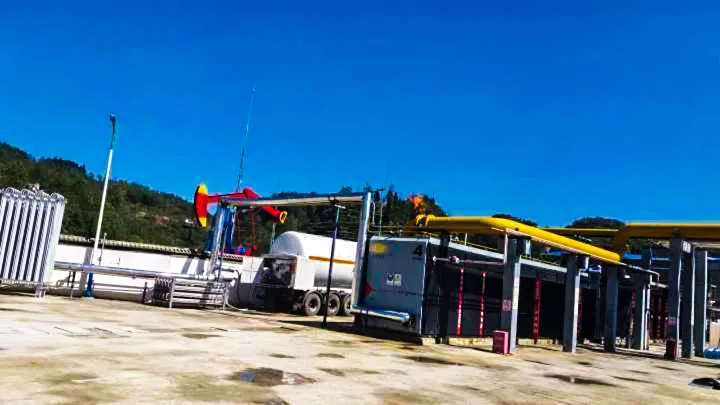
Guizhou Kailin New Energy Coalbed Methane Liquefaction Project
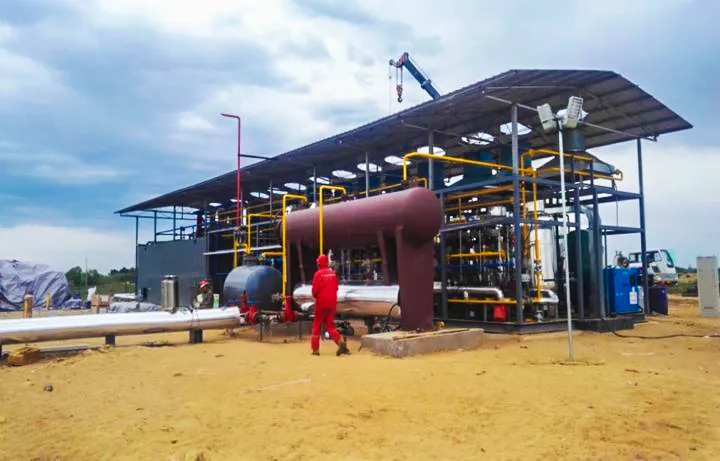
Inner Mongolia New Energy Remote Well Liquefaction Project
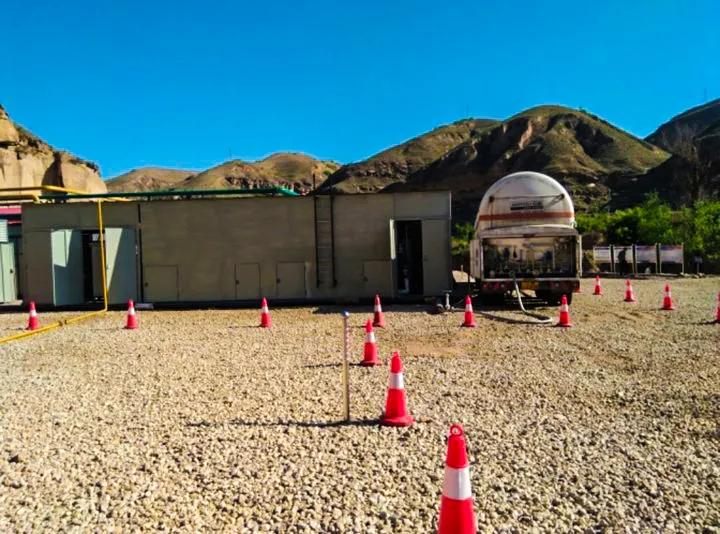
Shanxi Zhonglian Coalbed Methane Gas Well Liquefaction Project