How Can A Single System Reduce Associated Gas Recovery Costs?
The oil and gas industry has treated associated gas as a secondary product throughout its history. Many oil fields especially those in remote areas or those undergoing temporary development working face challenges because they lack recovery facilities which causes operators to burn or release associated gas. The process wastes energy resources while increasing both operational expenses and environmental footprint which affects company operations.
More stringent environmental regulations and energy efficiency standards lead oil and gas companies to reassess this resource. A company gains multiple benefits from an effective associated gas recovery system because it helps to decrease energy waste while delivering substantial cost savings and operational efficiency enhancements.
Why Are Traditional Associated Gas recovery Solutions So Costly?
Traditional associated gas recovery methods typically use multiple separate systems, which results in higher expenses for the entire project. The main cost drivers are summarized below:
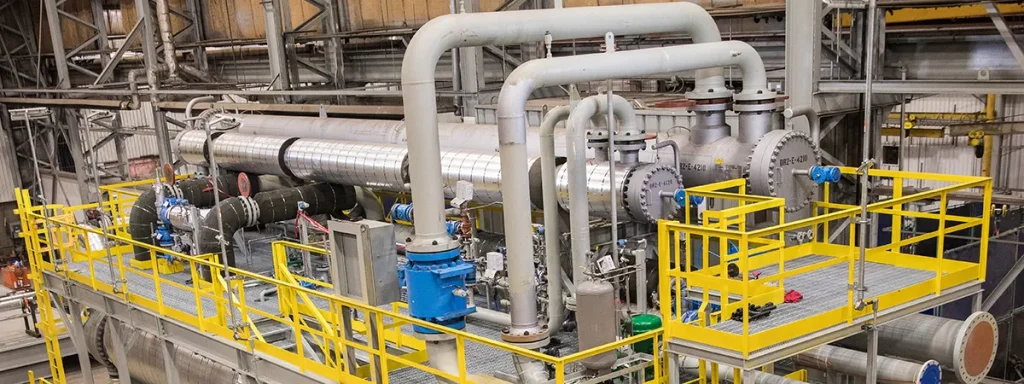
| Cost Issue | Traditional Solution | Impact on Oilfield Operations |
| High Equipment Costs | Requires multiple units such as gas–liquid separators, gas purification systems, compressors, and storage/liquefaction equipment | More equipment increases capital investment; complex infrastructure often limits associated gas recovery |
| Complex Installation | Equipment from different suppliers must be integrated and commissioned on-site | Long project timelines and high construction costs; facilities may take 6–18 months to complete |
| High Maintenance Costs | Multi-unit systems with complex structures and many interfaces | More failure points and higher long-term maintenance costs |
| Low Operational Efficiency | Limited coordination between separate systems and decentralized control | Higher energy consumption; about 151 bcm of gas is flared globally each year, wasting around $63 billion |
| Long Project Start-Up | Requires lengthy installation, testing, and integration | Delayed production and lost energy value from associated gas utilization |
How Can A Single System Reduce Associated Gas Recovery Costs?
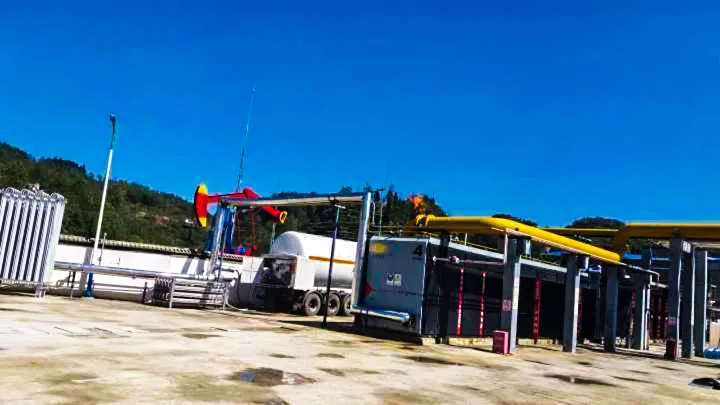
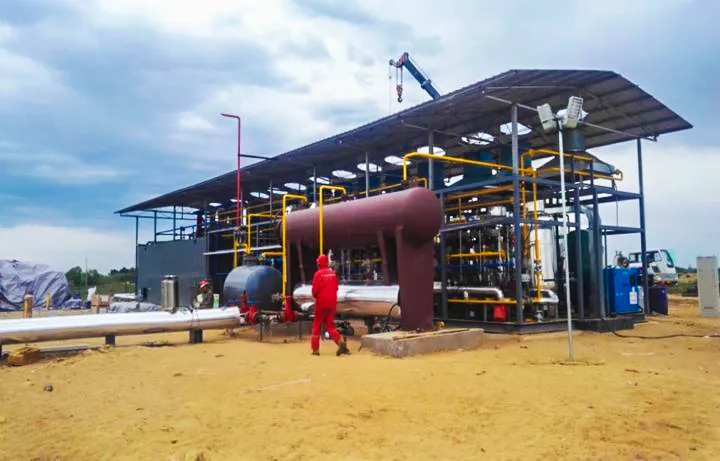
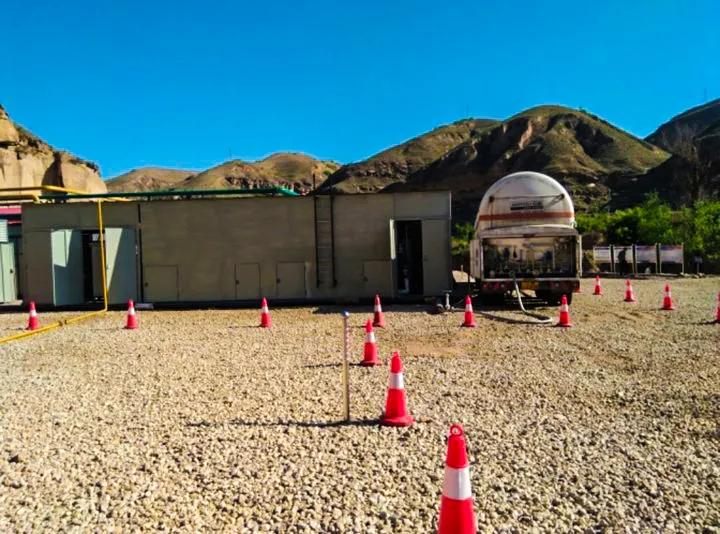
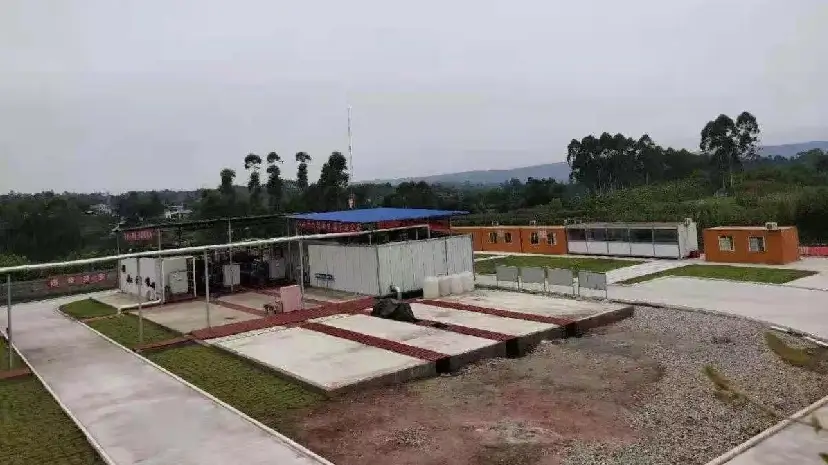
The present-day oil and gas equipment manufacturers have developed integrated skid-mounted associated gas recovery systems to solve existing problems. The system operates through a unified design that combines essential processing functions into one complete modular system.
The system handles all fundamental processes required to recover associated gas through its single operational design.
- Gas-liquid separation
- Natural gas purification
- Compression processing
- Liquefaction or energy utilization
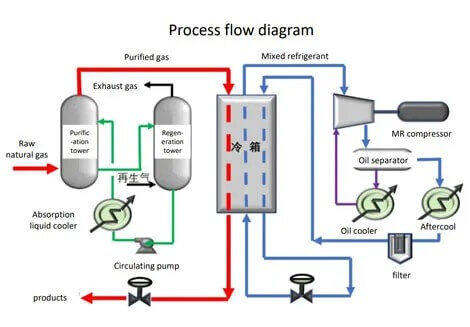
This “single-system” approach reduces costs in several ways.
Reduced Equipment and Engineering Investment
First, the system provides major advantages because it reduces both device requirements and engineering tasks.
The traditional systems require multiple processing units, but the integrated systems combine all functional modules into a single skid-mounted unit that comes pre-installed and pre-commissioned from the factory.
The direct advantages of this approach include:
- Reduced equipment procurement costs
- Reduced on-site installation costs
- Reduced engineering design and construction costs
These cost savings are particularly significant for oilfields with poor infrastructure.
Rapid Deployment, Reduced Project Cycle Costs
In the initial development phase of oilfield projects, the need to complete work within specific time limits creates direct financial expenses. The systems require only basic connections at the site because they already completed system integration and testing procedures before their factory departure. Compared to traditional projects, this system can:
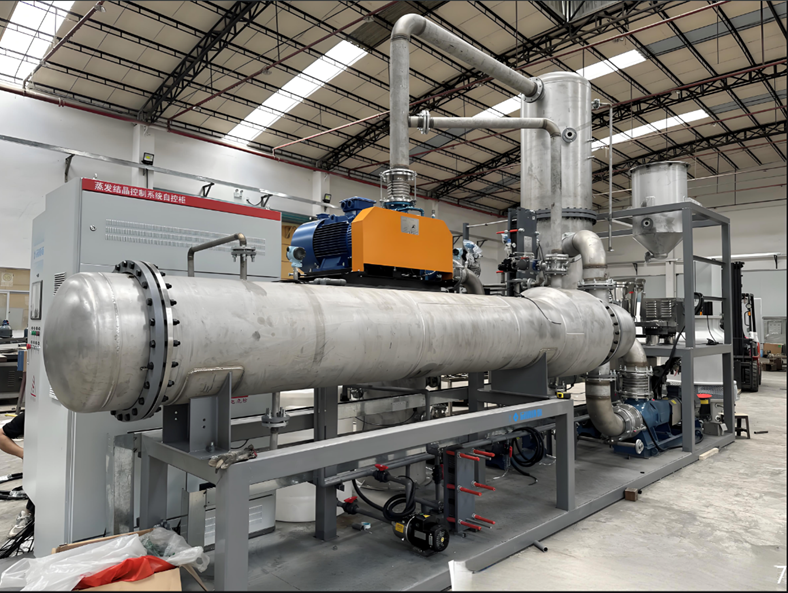
- Significantly shorten installation time
- Reduce on-site construction team size
- Achieve faster production
The faster the project starts, the sooner the company can reap energy benefits through associated gas recovery, thereby shortening the investment payback period.
Reducing Operating and Maintenance Costs
Reducing the number of devices not only lowers initial investment but also significantly reduces long-term operating costs.
Within a single system, all functional modules are designed and controlled uniformly, resulting in higher system efficiency. This brings several advantages:
- Lower system energy consumption
- Higher operational stability
- Lower failure rate
At the same time, the unified control system simplifies equipment maintenance, reducing complex maintenance procedures and downtime risks.
In the long run, these factors can continuously reduce oilfield operating costs.
Flexible for Oilfields of Different Sizes
Oilfield production is inherently uncertain, with output potentially fluctuating over time. Overly large systems lead to wasted investment, while undersized systems fail to meet demand.
Single integrated systems typically employ a modular design, allowing for customized configurations based on oilfield size. For example:
- Small oilfields can deploy compact systems.
- Medium-sized oilfields can add processing modules.
- Temporary projects can utilize mobile equipment.
This flexibility helps companies avoid over-investment and adjust system size according to actual needs.
Achieving Dual Economic and Environmental Value
Associated gas recovery is not only an energy-saving technology but also an environmentally friendly measure. By recovering associated gas through a single system, oilfield companies can:
- Reduce combustion emissions
- Reduce greenhouse gas emissions
- Meet environmental regulations
The recovered natural gas serves as an energy source which decreases fuel procurement expenses.
The associated gas recovery systems create cost savings for companies while they support their green transformation initiatives. The highly efficient associated gas recovery system enables oilfield companies to improve resource utilization while decreasing their operating costs through this practical and efficient cost reduction method.
Through continuous technological advancements, this integrated system will become a primary method for associated gas recovery in oil fields, which will improve operational efficiency across the entire oil and gas industry and reduce carbon emissions.