How to Reduce Flare Gas Generated in Marginal Oil Fields
In remote oilfields, a large volume of natural gas is being burned due to technical difficulties. This is causing energy waste and environmental problems. Waste resulting from flare gas combustion has been a major problem in the management of remote oilfields. Reducing flare gas combustion is urgently needed from the perspectives of managers and engineers.
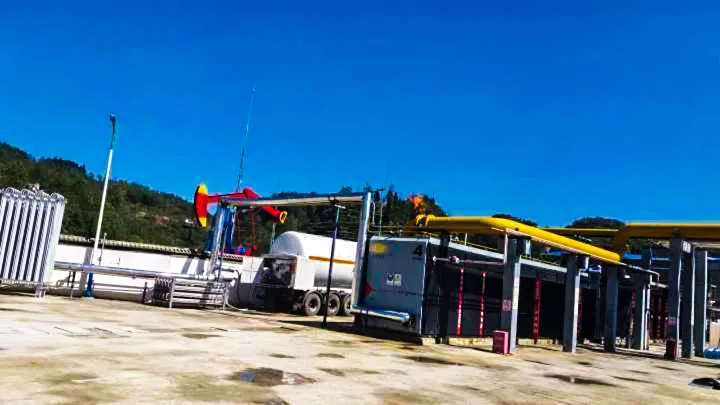
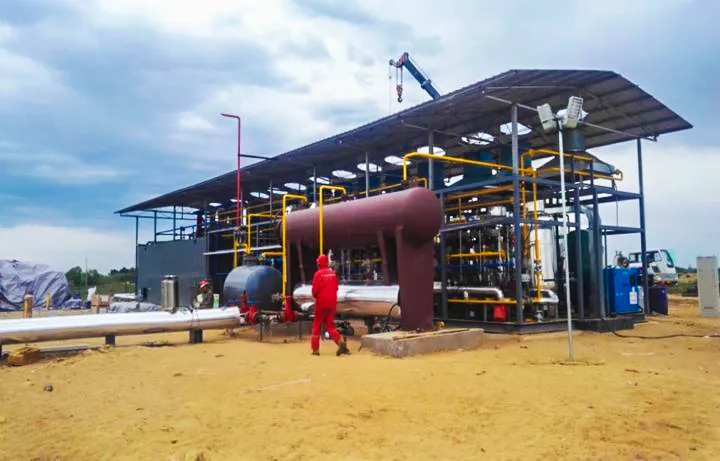
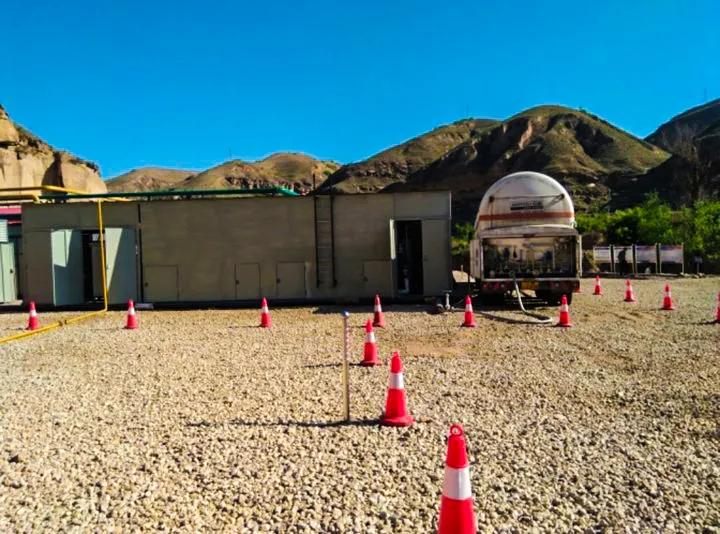
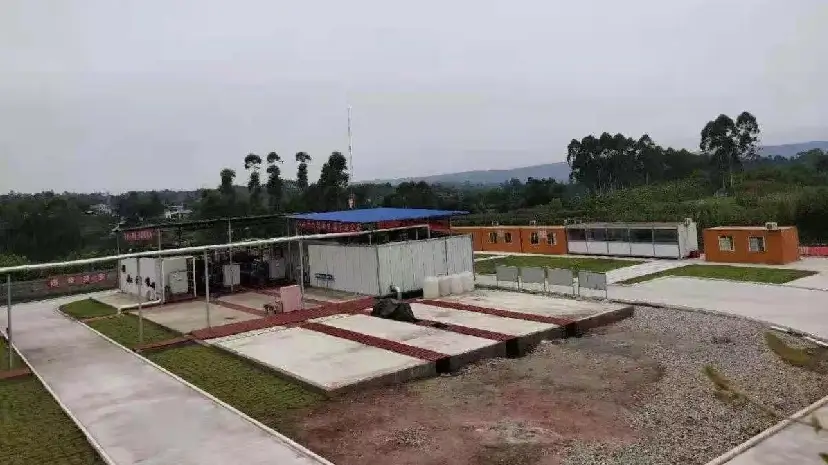
KAITIAN GAS offers a complete solution to this problem, tailored to the characteristics of different regions and gases, helping marginal oilfields effectively utilize and manage flare gas.
The Pain Point of Reduced Flare Gas in Remote Oilfields
In remote oil fields, it is almost inevitable that flare gases will be produced, but the problem is that these gases are difficult to collect and utilize properly and are eventually burned. In addressing this problem, it is first important to understand how these gases are produced and how they have a cascading effect.
Causes of Flare Gas Generation
The flare gases in remote oil fields are mainly from the following sources:
- During the start-up and shutdown of oil fields, some natural gases are released by fluctuations in pipelines and equipment; this is a certain quantity that cannot be recovered in time.
- Due to instable well oil production, natural gases are often in a state of periodic surplus; oil fields are not capable of flexible consumption or transportation in this case and need to be burned to solve this problem.
- To ensure safe system operation, depressurization is necessary when storage tanks or pipelines experience excessive pressure, directly generating flare gas.
Core Problems Caused by Flare Gas Combustion
These seemingly “normal” production activities are amplified in the remote oilfield environment, leading to the following key challenges:
- Natural gas, which could be used as a clean energy source, is directly burned, unable to be converted into electricity or commercial gas, resulting in continuous resource depletion.
- Flare combustion emits large amounts of carbon dioxide and incompletely burned methane, placing long-term pressure on the environment and climate.
- With increasingly stringent global carbon emission regulations, continuous flare gas emissions may lead to fines, production restrictions, and even limitations on project approvals.
- The inability to commercialize natural gas means that oil fields lose an additional source of revenue while also incurring potential carbon costs.
In remote oil fields with insufficient infrastructure and dispersed gas sources, flare gas is not only a technical issue, but also a systemic problem of “resources that cannot be monetized.”
4 Ways to Reduce Flare Gas Combustion
In remote oilfields, reducing flare gas combustion is not a matter of a single piece of equipment or technology, but a systematic project. Analysis of multiple real-world projects reveals that truly effective solutions typically follow a complete path of “collection—processing—utilization—optimization.”
Take a typical remote oilfield as an example: This oilfield has dispersed wells and lacks pipeline infrastructure, resulting in approximately 40%–50% of associated gas being directly burned for extended periods. Due to unstable gas volumes and limited transportation conditions, traditional centralized processing solutions are difficult to implement.
In this situation, the operator did not opt for a large-scale, one-time investment, but instead gradually reduced flare gas combustion through a phased, modular approach, ultimately reducing combustion by nearly half within approximately 12 months. Their core practices offer valuable insights:
1. Addressing the Problem at its Source: Establishing Gas Harvesting Capabilities
In many remote oilfields, the essence of the flare gas problem is not “unusable,” but “unharvestable.”
This project first deployed small compression units at key wellheads and used flexible pipelines to initially collect dispersed gas sources. Especially for low-pressure, intermittently released gases, on-site compression enabled recovery, significantly reducing direct combustion.
Practical Results: Approximately 20% reduction in flare gas emissions was achieved in the initial stages of the modification.
2. Improving Gas Quality: Making Fuel Usable
Simply collecting gas is not enough; many associated gases, due to water content, sulfur content, or unstable composition, cannot be directly used for power generation or external transmission.
Therefore, the oilfield introduced basic gas processing units to dehydrate, purify, and stabilize the gas. These units typically employ a modular design, allowing for flexible adjustments based on on-site gas source conditions.
Key Change: Previously unusable gases were transformed into stable fuels usable in energy systems.
3. On-site Utilization: Prioritizing Energy Conversion
In remote oilfields lacking external transmission capabilities, “on-site consumption” is often the most practical option.
In this case, the operator prioritized a gas-fired power generation solution, using the processed natural gas for on-site power supply. This not only reduced flare gas emissions but also significantly reduced reliance on diesel power generation.
Later, as gas supply stability improved, small-scale external transmission or liquefaction solutions were gradually introduced to monetize some of the gas.
Core Idea: Utilize first, then monetize, gradually increasing economic value.
4. Continuous Optimization: Reducing Fluctuating Emissions Through Operational Management
After completing infrastructure deployment, the oilfield further reduced “unnecessary combustion” through operational optimization:
- lAdjusting production rhythm to reduce emissions from frequent start-ups and shutdowns
- lIntroducing a real-time monitoring system to track gas flow changes
- lUsing predictive analysis to proactively address gas surplus situations
Sustained Effect: A further reduction of approximately 5%–10% in flare gas emissions on top of existing levels.
If all successful projects can be summarized by one common lesson, it is this: the most effective flare gas emission reduction strategies are those that are tailored, modular, and integrated from the outset.