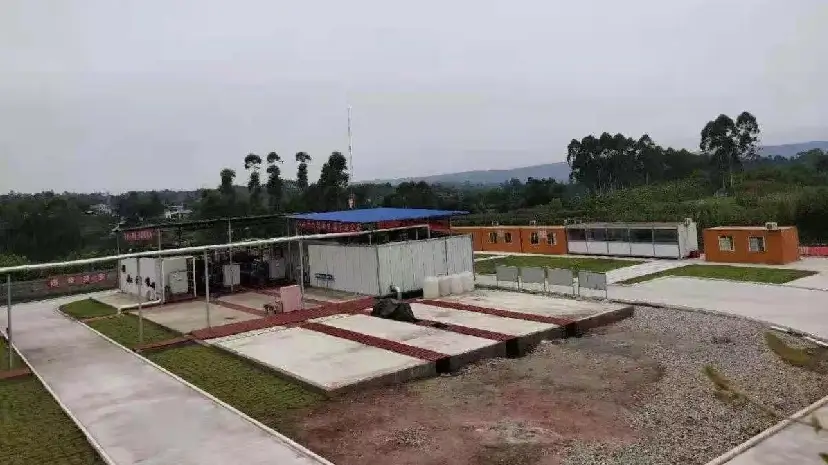
Latest Methane Emission Regulations and New Environmental Standards
With the global energy transition quickly moving forward, one of the main points of concern for both compliance and business in the oil and gas industry was methane emissions. Stricter methane standards were issued or advanced in 2025 by several countries, thus marking an era when regulations were measurable, accountable, and very strictly enforced. Methane now has a direct effect on asset value, financing, project approvals, and eligibility for international trade for upstream producers, midstream operators, and service companies.
Why Methane Is a Regulatory Focus
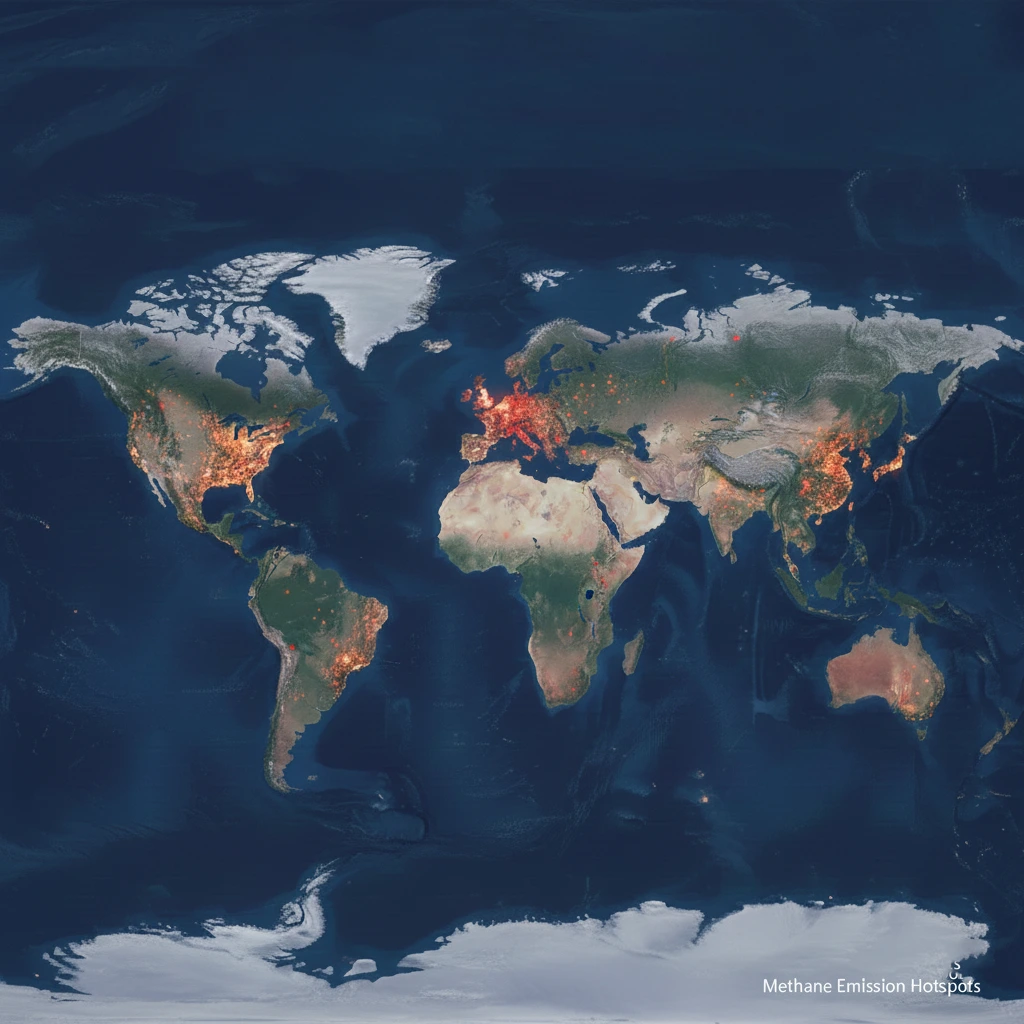
Methane is given priority because of its climate and operational features:
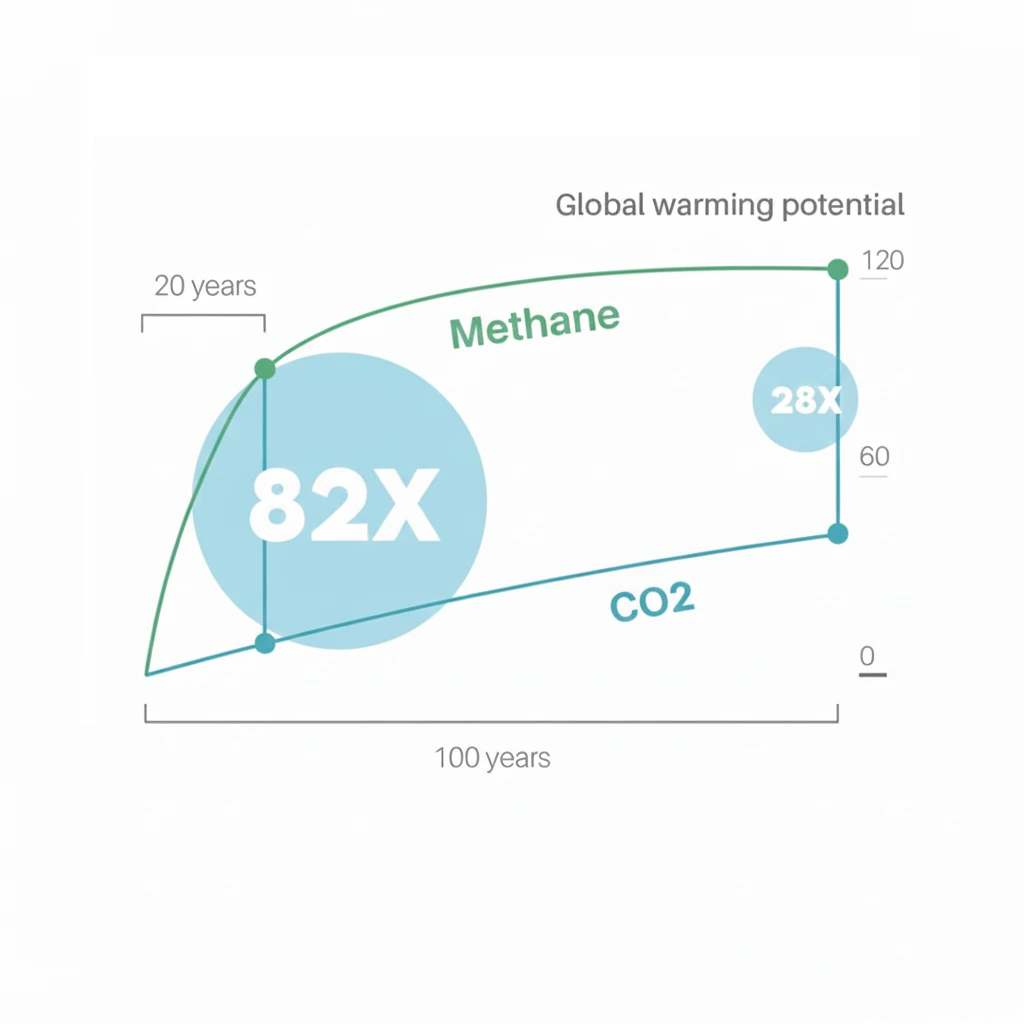
High Global Warming Potential (GWP): Over a period of 20 years, the warming effect of methane is more than 80 times that of CO₂, thus making short-term reduction a cost-effective climate intervention.
Concentrated Sources: The main sources of methane are oil and gas operations, coal mining, and transport.
Technically Controllable: Methane leaks can be detected and repaired using technologies such as satellite monitoring, continuous detection, and LDAR systems, which allow for rapid mitigation.
Global Methane Regulatory Trends
Global methane regulations are shaping compliance and business strategies:
Canada (New Standards, Effective 2028)
The new regulations for methane that the Canadian government introduced in December 2025 are directed to upstream production, processing, and transportation in the oil and gas industry with the goal of cutting down the emissions by 75% from 2014 levels by 2035. All companies must turn to the use of continuous leak monitoring and speedy repair mechanisms. Even though the regulations are pretty flexible in terms of the reduction plans, customized plans that are based on the characteristics of the facilities must still comply with the overall emission intensity standards.
The policy also imposes future-looking being the requirement for new or upgraded facilities, such as optimized pipeline joints, improved sealing technology, and increased gas recovery efficiency, thus ensuring the long-term compliance and reducing the risk related to operations. The phased implementation will kick-off in 2028, and though it will provide a transition period, it will also entail early planning for upgrading facilities, monitoring systems, and adoption of technology.
The adoption of such standards not only boosts the environment but also calls for technical improvements and refinement in the management area. It is only the companies that grasp and translate these requirements into action who can then find a way to combine compliance, economic efficiency, and long-term competitiveness-flourishing under the new regulatory regime.
European Union (Implemented 2024/2025)
In August 2024, the European Union enforced its methane regulation that included oil, gas, and coal industries. The EU methane regulation obliges the systematic use of leak detection and repair (LDAR) methods and restrictions on routine flare and venting. Annual emission reporting is mandatory for all operators, and the reporting scope and mitigation action plans will gradually expand starting from 2026. Additionally, foreign oil and gas products are subject to the same emission standards, which promotes transparency in the supply chain. The regulation, in general, enhances the aspects of compliance, reporting, and supply chain management that are operations and market access affected directly.
China (Strengthened Standards, 2025)
China’s methane control policies were ramped up in 2025. The Ministry of Ecology and Environment introduced coalbed methane emission standards (GB 21522‑2024), which will be obligatory for new plants starting April 2025, while the present ones will be included in 2027. The regulation decrees lower emissions in the course of production and transportation, encourages the recovery of associated gas, and establishes a full-scale MRV (Monitoring, Reporting, and Verification) system for greenhouse gases. These measures lead to companies having to plan in advance for technology upgrades and data management in order not to fall behind domestic and international compliance requirements which are getting stricter by the day.
United States (Federal Standards, 2025–2026)
Regulations for methane emissions were imposed by the U.S. EPA in 2024 that included a “super-emitters” monitoring program as well as new, modified, and existing facilities. Some of the requirements that were ultimately scheduled for 2025 have been moved to 2026 now. The U.S. Congress abolished a proposed methane fee mechanism in 2025 thereby momentarily relieving the compliance pressure but still the long-term policy uncertainty remains. Businesses must make technological innovations and have monitoring systems in place to cope with the stricter future regulations and to stay ahead of the competition.
Global Agreements
The United Nations Environment Programme (UNEP) estimates that global methane emissions contribute to one-third of the short-term warming caused by greenhouse gases. So it is reducing methane that will allow us to mitigate the climate risks those first decades will bring. The Global Methane Pledge, which aims to freeze global methane emissions in 2030 at the level of 2000 and has been initiated by EU and U.S., is one of the major projects in this direction. The initiatives cover oil, gas, coal, and agriculture and include a requirement for no less than a 30% cut worldwide by 2030 and the establishment of Monitoring, Reporting, and Verification (MRV) systems in case of participating countries.
The implication for corporations is the need for comprehensive leak detection, associated gas recovery, and emission control throughout production, transport, and supply chains. Not only does the alignment with international frameworks ensure compliance but it also builds up the ESG performance and the market competitiveness.
Why These Regulations Matter to the Oil & Gas Industry
New methane rules affect operations, investment, and market positioning. Key areas include:
| Impact Area | Core Implications |
| Regulatory Compliance | Domestic and cross-border emissions management; supply chain transparency; EU import rules |
| Investor & Market Transparency | Methane data affects ESG ratings, financing, and contracts; verifiable monitoring required |
| Technology & Business Opportunities | Satellite and continuous monitoring, LDAR; reduce energy loss and create value |
| Financial & Operational Impact | Unrepaired leaks raise costs and fines; early tech investment lowers long-term expenses |
| Market Access & Trade | Supply chain mitigation is crucial for exports; compliance protects market share |
| Risk Management & Reputation | Poor emission control harms brand and investor trust; compliance enhances ESG scores |
| Innovation & Industry Upgrade | Advanced monitoring and automated repair improve efficiency and sustainability |
Conclusion
Today, controlling methane has come to be a major deciding factor in the changeover of the worldwide oil and gas sector. The regulations for 2025-2026 are affecting not only the domestic businesses but also the whole chain of suppliers, exports, and investment operations. Being proactive with the changes will ensure that the company is in compliance and also will grant it a competitive advantage, while the opposite will result in penalties, barriers in trading, and losing its good image. Hence, early preparation, adoption of technologies, and strong governance structures are the three pillars of sustainable success.
Cases
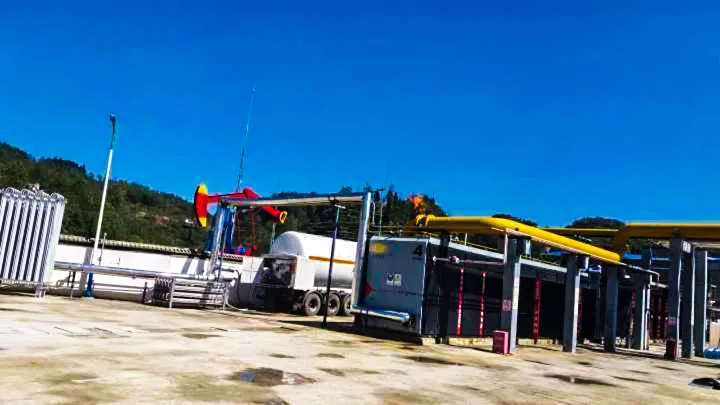
Guizhou Kailin New Energy Coalbed Methane Liquefaction Project
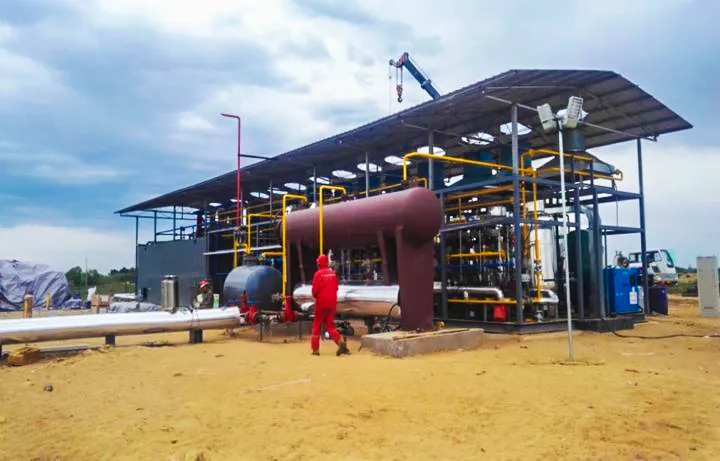
Inner Mongolia New Energy Remote Well Liquefaction Project
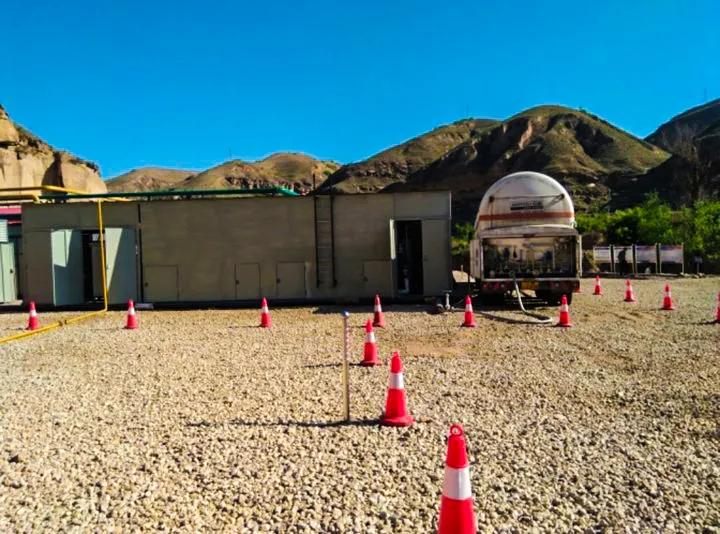
Shanxi Zhonglian Coalbed Methane Gas Well Liquefaction Project