Natural Gas Industry Strategies Amid Global Energy Disruptions
The recent tensions in the Strait of Hormuz have once again brought the spotlight on the energy security question in the world. This waterway is regarded as one of the most vital energy chokepoints in the world and carries nearly one-fifth of the world’s oil exports and a large share of the world’s liquefied natural gas. In the event of any disruption—whether real or threatened—the response is almost instant: the pace of oil and gas shipments slows down, insurance premiums skyrocket, and energy prices begin to fluctuate even before any shortage is actually experienced.
The above situation is not only a temporary challenge for the natural gas industry but rather indicates the inherent vulnerability of the way in which the world’s energy systems are structured—highly efficient in good times but vulnerable in the face of regional conflict.
A Structural Weakness Exposed by Real-World Events
For instance, the articles from Reuters and the Guardian demonstrate the rapid transfer of uncertainty in the region into market instability. This is despite the fact that there has been no complete blockage of the region. This is evidence of the larger problem in the natural gas industry: the lack of diversification in the routes of supply. For many decades, the world has utilized a number of maritime routes that have been optimized for cost efficiency. However, the current situation demonstrates the fact that such routes are inefficient in terms of risk management. This is because the instability in a single passage has the ability to impact the entire region.
From Price Volatility to Resource Control
Another significant change in the context of this crisis is the changing dynamics in the pricing of energy resources. In the conventional context, the changes in the prices of natural gas resources were usually closely related to the underlying supply-demand dynamics. However, in the current context, geopolitical factors are playing a dominant role in the pricing dynamics.
The changing dynamics in the natural gas industry indicate a turning point in the strategic context. In the current context, the natural gas industry is gradually shifting its focus upstream, towards the control of physical resources. The more control a company has over the resources, the less it is affected by external factors.
The Strategic Rise of Local and Underutilized Gas Resources
In this context, previously neglected sources of gases are assuming new importance. Associated gases of oil wells, coal-bed gases, and shale gases—previously considered secondary and difficult to exploit—are assuming new centrality in energy security strategies. Their importance is not just in terms of quantity but also in terms of location and control.

The potential for exploiting these gases and utilizing them is transforming these previously neglected sources from liabilities to assets. In this context, it is noteworthy that flaring and venting are coming under new scrutiny from an environmental and economic perspective. Previously considered waste products are being redefined and are assuming new centrality in energy strategies.
For the natural gas industry, this represents a new trajectory that is more decentralized and resource-friendly. No longer are companies relying on large-scale supply systems; rather, a new emphasis is being placed on local supply and utilization.
KAITIANGAS and the Transition Toward Resilient Gas Utilization
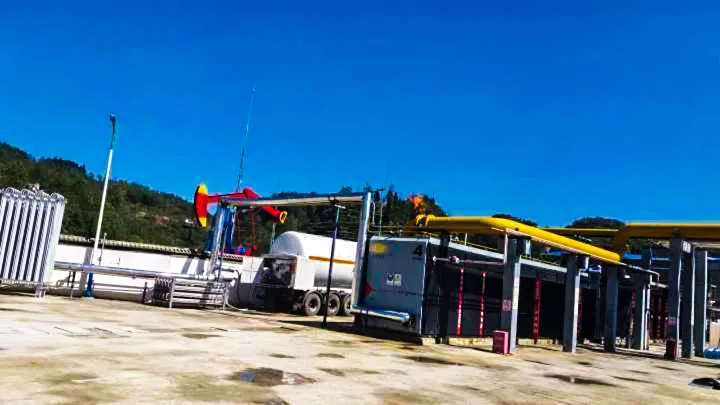
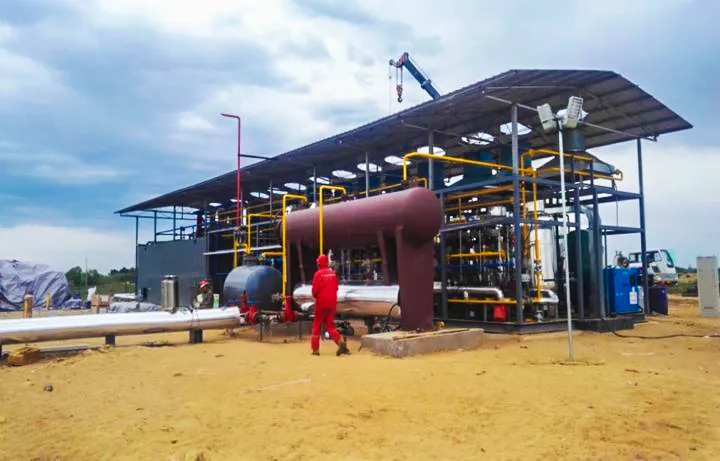
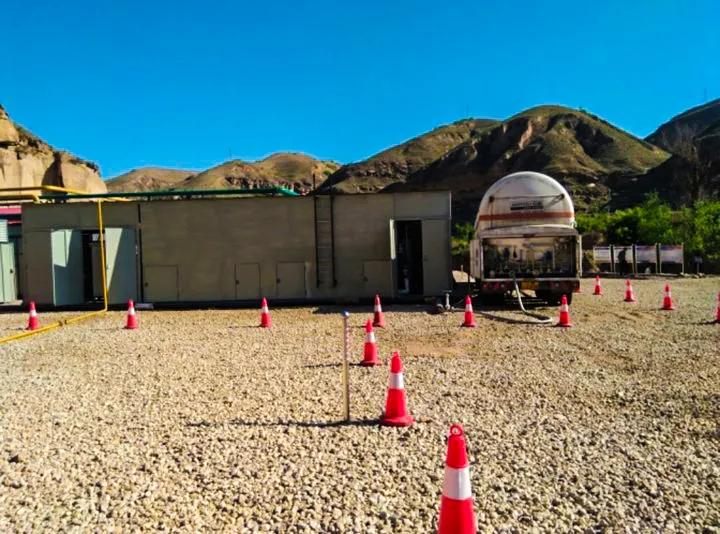
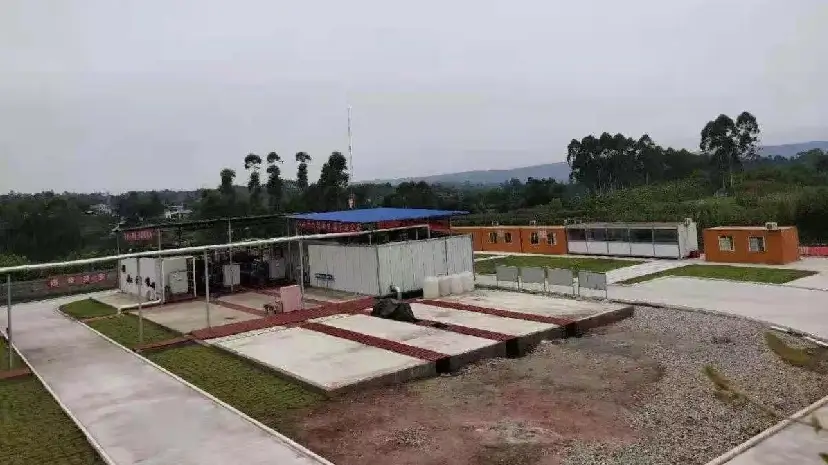
In this changing environment, KAITIANGAS is a solution to many of the challenges that have been revealed by global disruptions. By working with associated gas recovery, unconventional gas processing, and industrial off-gas utilization, KAITIANGAS is able to solve a critical question that has been facing the natural gas industry: how can one make more efficient use of what is currently available?
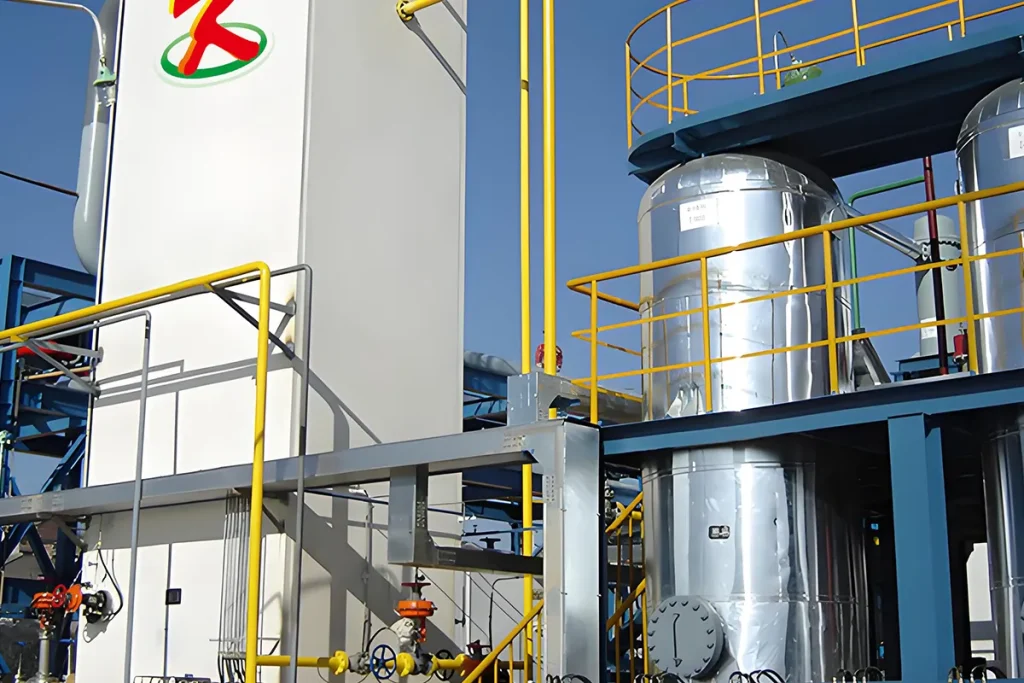
The solution that KAITIANGAS offers is one that is based on modularity and systems integration. With this solution, operators are able to implement gas processing solutions that are near their sources. While this is a positive step towards efficiency and flexibility, it is more important that this solution is one that allows energy producers to utilize what was previously not being used in a stable and efficient manner.
Such a solution is one that is critical in uncertain times. In times like these, local energy systems are able to be operated even if global supply systems are not functioning. In this sense, solutions like KAITIANGAS are not just solutions that are based on efficiency; they are solutions that are strategic.
Rethinking the Future of the Natural Gas Industry
The Strait of Hormuz crisis is ultimately a real-life test of how well the global energy system will cope. It shows that resilience is not a secondary consideration; rather, it is a primary one. For the natural gas industry, this means that old assumptions need to be challenged.
The future will probably be characterized by a more balanced approach that will allow global trade and local supply, centralized and decentralized systems, and traditional and innovative sources to coexist. Those companies that are able to cope with this new paradigm will be able to cope with uncertainty and maintain their competitive advantage.
Conclusion
However, what is occurring in the Strait of Hormuz is not in isolation; it is a manifestation of a much wider systemic risk in the world’s energy chain. For the natural gas industry, it is a lesson that could not be more starkly illustrated: a robust response must be integrated into every aspect of the value chain.
By improving the utilization of resources, supporting flexible technologies, and minimizing dependence on vulnerable logistics, a more stable and sustainable future awaits us. In the new world, answers that will unlock the potential of local and currently unused gas resources, such as those that KAITIANGAS offers, will be essential.