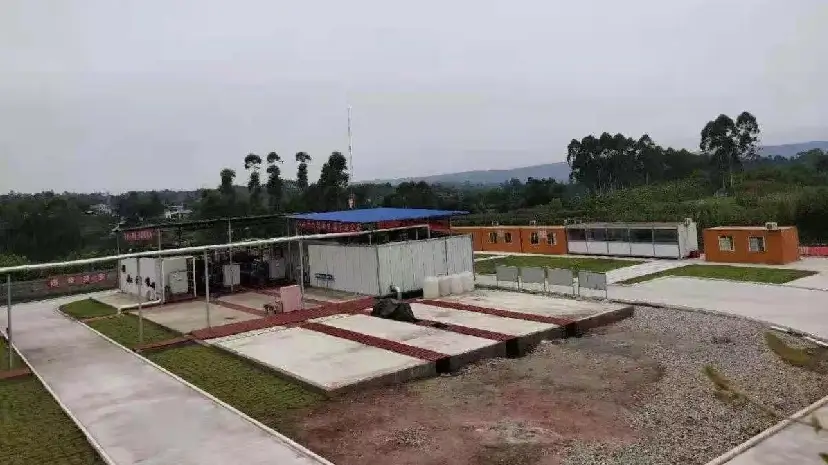
Small-Scale Shale Gas Liquefaction: When Does It Make Economic Sense
With the scaling out of the production technology for shale gas to less available, less lucrative, and even less accesible reservoirs, large scale LNG projects are no longer the sole route to gain value from their production. That is why, several years ago, the industry noticed on one another trend in small-scale shale gas liquefaction which gave plenty more options, especially concerning isolated gas production and gas supply to isolated areas.
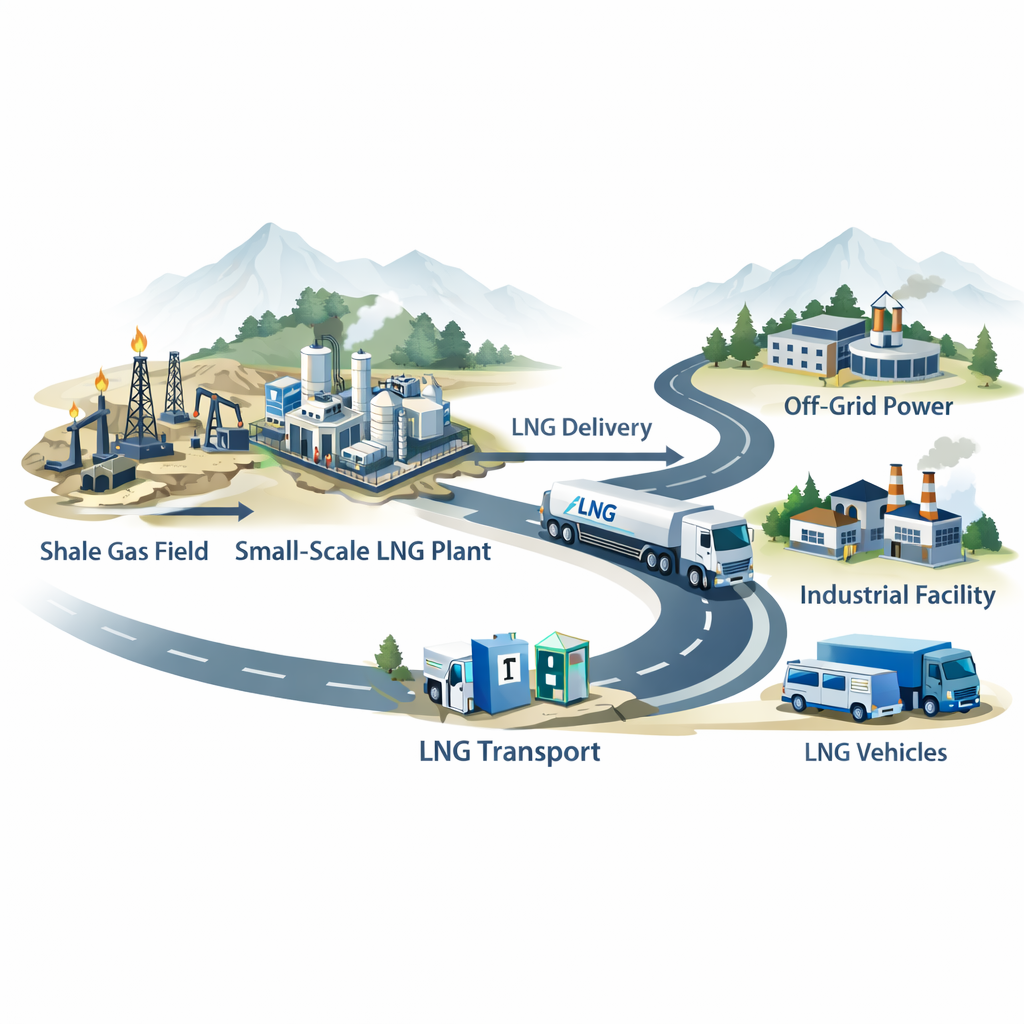
Yet again, what are the’ tipping scales that those within small scale LNG and Liquified Technologies seek to achieve as their target? Such questions form the bases of the article and this study in particular avoids the errors of simplistic treatment of economic factors.
What is Small-Scale Shale Gas
Most studies define small-scale LNG liquefaction within the following range:
| Category | Description |
| Typical Capacity Range | 5,000–200,000 tons of LNG per year |
| Liquefaction System Design | Modular or movable liquefaction units |
| Construction Timeline | Shorter construction and commissioning cycles |
| Gas Supply Model | Localized shale gas sourcing and on-site or nearby consumption |
LNG projects on the large scale count on the economy of scale whereas on a small scale, cost, functionality and closeness to the market determine the success.
Why Gas Source Quality Is the Top Priority
The source of natural gas is the single most important consideration about the possibility of economically building shale gas liquefaction plants of less than massive sizes. Such small-scale gas liquefaction systems differ from massive LNG projects as regards non-stability of supply and purity of the gas as they have very little allowances for such variations. This means that the feed gas has to be consistent for costs to remain manageable and operations sustained over the years.
Gas Supply Stability and Production Life
| Parameter | Typical Economic Requirement |
| Annual supply availability | ≥ 90% |
| Production decline predictability | Stable and forecastable |
| Minimum recoverable reserve life | 8–15 years |
| Planned plant utilization rate | ≥ 85% |
Small-scale liquefaction plants rely heavily on high utilization rates to dilute fixed operating costs. Even short period of supply disruption or unanticipated drop in production may sharply uplift unit LNG expenses and may rapidly eliminate margins and gains of the project.
Gas Composition and Pretreatment Requirements
| Gas Component | Indicative Economic Threshold | Economic Impact |
| CO₂ | ≤ 2–3% | Higher levels increase acid gas removal CAPEX |
| H₂S | ≤ 4 ppm | Additional safety and sulfur handling costs |
| N₂ | ≤ 5% | Reduced liquefaction efficiency and LNG yield |
| Water content | Pipeline-grade | Increased dehydration complexity |
If there are more than necessary contaminants, the pre-treatment facilities will need more complex pre-treatment facilities, in this regard small scale LNG projects are mostly exaggerated. Since pretreatment costs do not scale down linearly, gas composition often determines whether liquefaction is economically feasible at all.
Capital Expenditure: Where Small Becomes Too Small
Natural gas liquefaction incurs a considerable capital expenditure for low volume LNG projects. Although small facilities can take advantage of job in less capital, the capital required per unit jumps non-linearly at reduced scale. According to techno economic researches, these UFDCs have been recognized to have a minimum economic size below which cost activities that involve installation of fixed assets get a big share of the total cost of the project.
Unit Investment Cost and Capacity Threshold
| Annual LNG Capacity | Typical CAPEX (USD/ton LNG) |
| <10,000 t/a | 1,500–2,500 |
| 10,000–50,000 t/a | 1,000–1,500 |
| 50,000–200,000 t/a | 700–1,100 |
The techno-economic analysis of LNG projects reveals a vivid change in behavior of all the scattered shale gas liquefaction processes as production capacity approaches 10,000 tons per year. Before that, size reduction of standard equipment, such as compressors, control systems, cryogenic tanks, safety equipment, and tanks, is able to radically reduce the investment per unit cost. However, at this point size reduction does not help as the costs do not only scale down to zero capacity.
The Role of Modular and Movable Liquefaction Design
| Design Feature | Economic Effect |
| Modular fabrication | Reduced construction risk and on-site labor |
| Factory pre-assembly | Shorter project schedules |
| Incremental expansion | Phased capital deployment |
| Standardized equipment | Improved cost predictability |
Modular and movable LNG units significantly improve project flexibility and reduce execution risk. However, studies confirm that modularization cannot fully overcome thermodynamic efficiency losses and mechanical scaling limits inherent in very small liquefaction systems.
Operating Costs: Energy Efficiency and Cost Control
The cost of operations is extremely important in deciding the feasibility of LNG projects on a small scale. Cost of energy, maintaining and supply of human resources comprises a large percentage of the total cost and, small plants do not have much scope for extending fixed costs to production, hence optimizing efficiencies become sound.
Energy Consumption and Process Efficiency
| Cost Component | Typical Contribution to OPEX | Economic Implication |
| Liquefaction energy | 30–40% | Higher energy use directly increases LNG unit cost |
| Gas compression | 15–20% | Essential for cooling and pressure management |
| Pretreatment & dehydration | 10–15% | Required to meet LNG specifications |
| On-site utilities | 5–10% | Electricity, water, and fuel for auxiliary systems |
Energy consumption dominates small-scale liquefaction costs, and process efficiency is particularly sensitive to ambient conditions and gas composition. Optimizing energy use through advanced refrigeration cycles, waste heat recovery, or integration with on-site fuel sources can significantly improve project economics.
Labor and Maintenance Considerations
| Factor | Impact on Small-Scale Projects |
| Staffing | Fixed personnel numbers create high per-ton labor costs |
| Automation | Reduces human error and operational risk |
| Maintenance | Critical equipment requires regular service, costs scale weakly with plant size |
| Remote monitoring | Improves reliability and reduces downtime |
Small-scale liquefaction plants face relatively rigid maintenance and labor costs. Studies indicate that automation, digital monitoring, and predictive maintenance are essential to maintaining cost-effectiveness and minimizing unplanned shutdowns.
Where Shale Gas Liquefaction Wins
The economic viability of small scale shale gas liquefaction is also determined by market pricing and targeted application. Whereas the LNG projects in large scale usually thrive utilizing international trade, smaller scale operations are only successful if the usage of LNG is adequately substitutions for more expensive fuels within specific local markets for which a demand and cost efficiency is guaranteed.
Fuel Substitution Opportunities
| Application Scenario | Economic Advantage | Key Considerations |
| Diesel or heavy fuel oil replacement | LNG cheaper than conventional fuels | Local fuel price differential determines competitiveness |
| Off-grid power generation | Reliable, lower-cost energy supply | Plant proximity to users reduces distribution costs |
| Industrial boiler or process heat | Energy cost reduction | Integration with industrial demand maximizes utilization |
| LNG truck or vehicle fuel | Cost-effective and low-emission transport | Logistics must support short-distance delivery |
Small-scale liquefaction is most profitable in markets where LNG can directly substitute more expensive or polluting energy sources. Profitability diminishes when competing against low-cost grid gas or imported LNG delivered over long distances.
Transportation and Distribution Constraints
| Factor | Economic Impact |
| Transport distance | Costs rise sharply beyond 300 km for road or trailer delivery |
| Infrastructure availability | Limited storage or fueling stations restrict market reach |
| Local demand concentration | High-density users improve utilization and reduce per-ton distribution cost |
| Regulatory environment | Incentives or restrictions can affect project returns |
Logistics play a crucial role in small-scale LNG economics. The shorter the transport distance and the more concentrated the end-users, the more viable the project becomes. Long-distance delivery significantly reduces economic margins and can negate advantages from modular plant design.
When Is Small-Scale LNG Liquefaction Economically Viable
Small-scale shale gas liquefaction becomes economically viable only when multiple conditions align. Stability of the gas supply, sufficient production scale, modular design, controlled operating costs, and clearly defined local markets all interact to determine whether a project can generate sustainable returns.
| Condition | Requirement | Economic Implication |
| Gas supply quality | Stable, low-impurity shale gas | Ensures predictable operation and manageable pretreatment costs |
| Annual production | ≥ 10,000 tons LNG | Reaches a practical scale to dilute fixed capital and operating costs |
| Plant design | Modular, standardized liquefaction systems | Reduces construction risk and enables phased investment |
| Energy costs | Controlled and optimized | Critical to minimizing OPEX and improving unit LNG cost |
| Market access | Clearly identified local end-users | Reduces transport costs and secures reliable demand |
| Fuel substitution | LNG replaces higher-cost conventional fuels | Provides economic advantage and market acceptance |
Small-scale LNG projects are not inherently profitable based on size alone—they are scenario-driven enterprises. Economic viability depends on matching technology, gas quality, production scale, energy costs, and market conditions. Projects that meet these integrated thresholds can successfully monetize otherwise stranded or marginal shale gas resources.
Conclusion
Unlike conventional large LNG projects, which can simply be scaled down for shale gas liquefaction, conventional models do not fit into place.
Exploiting small scale solutions like this, however, depends on the availability of the correct type of gas and demand, a proportion of the land and the infrastructure of the market and the logistical chains up to the available area and corridor. Otherwise, it ceases to make any economic sense.
Turning this situation upon its head, and bearing in mind that credit for development of such projects is done not in “tonnes per annum” but in technology, quality of natural gas and presence of the market.
References
- Kim, J., Seo, Y., & Chang, D. (2016). Economic evaluation of a new small-scale LNG supply chain using liquid nitrogen. Applied Energy, 182, 154–163.
- Lee, H., Kim, K., & Chang, D. (2020). Optimization and economic analysis for small-scale movable LNG liquefaction process with leakage considerations. Applied Sciences, 10(15), 5391.
- He, T., Ju, Y., & Zhang, Q. (2020). Comprehensive review of current natural gas liquefaction processes on technical and economic performance. Applied Thermal Engineering, 168, 114893.
- Xu, J., Li, M., Wang, H., & Zhang, L. (2025). Evaluation of flexibility and techno-economic performance of small-scale LNG liquefaction processes. Energy, 296, 130461.
- International Energy Agency (IEA). (n.d.). Gas Market Report & LNG Market Outlook.
S. Energy Information Administration (EIA). (n.d.). Natural Gas Explained & LNG Overview.
Cases
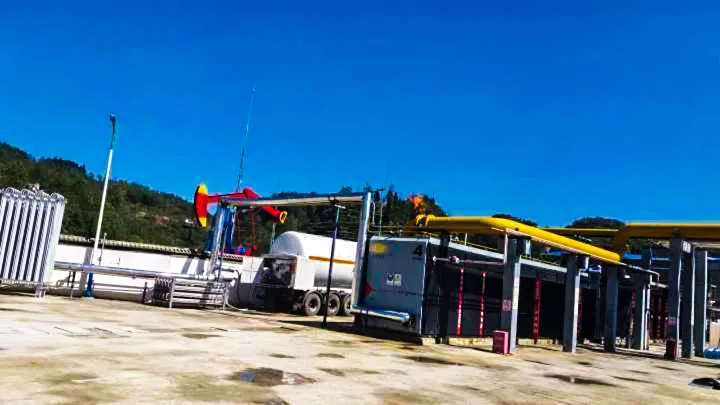
Guizhou Kailin New Energy Coalbed Methane Liquefaction Project
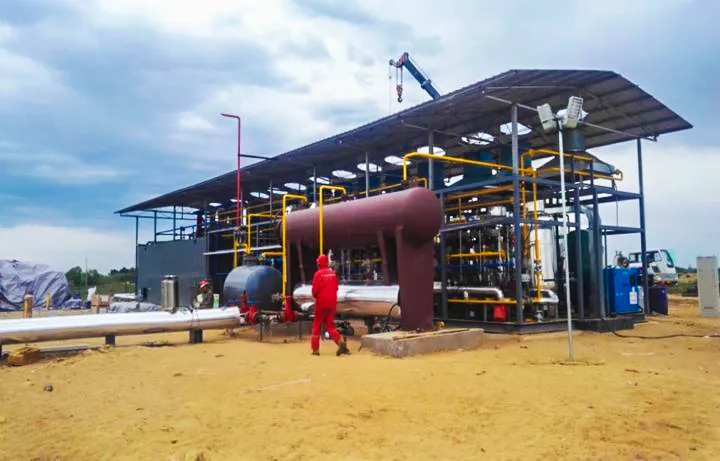
Inner Mongolia New Energy Remote Well Liquefaction Project
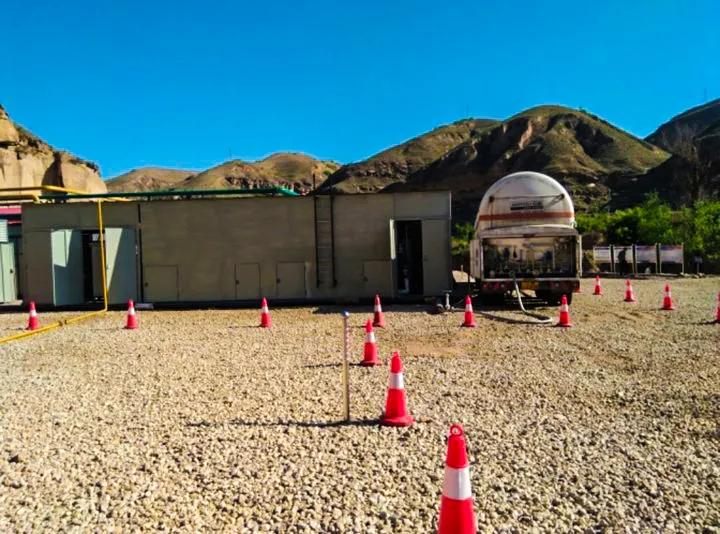
Shanxi Zhonglian Coalbed Methane Gas Well Liquefaction Project