Impact of the Strait of Hormuz Situation on the Global LNG Supply Chain
The Strait of Hormuz, connecting the Persian Gulf and the Gulf of Oman, has been under global scrutiny since the Israeli-US war against Iran in February.
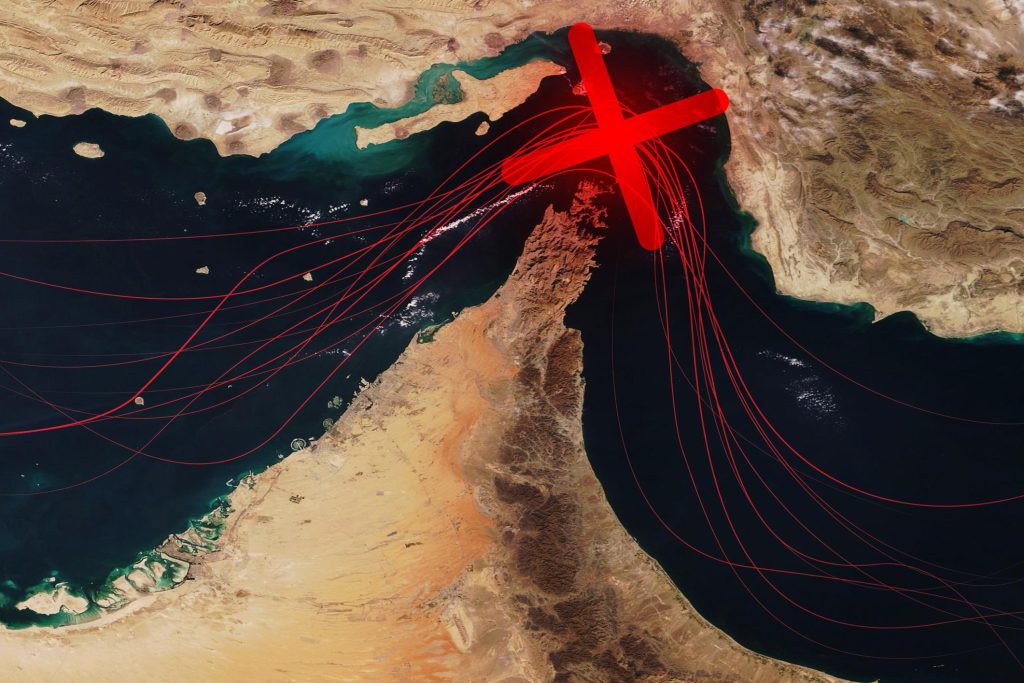
Before the war, this narrow strait remained unobstructed, allowing safe passage for ships. During peacetime, approximately 20-25% of the world’s oil and liquefied natural gas (LNG) supplies rely on it. The strait is jointly owned by Iran and Oman and is not considered international waters. Due to the war with Iran, the Strait of Hormuz was closed several times, resulting in a drop in traffic of over 95%, causing the largest disruption to global oil supplies in history and leading to a surge in prices for other key commodities.
Structural Risks in The LNG Supply Chain in The Strait of Hormuz
The Strait of Hormuz connects the Persian Gulf and the Arabian Sea, linking major LNG production areas in the Middle East with consumer markets in Asia and Europe. It is the sole maritime export route for several major LNG exporting countries.
This structure inherently carries risks:
Highly Concentrated Energy Flow
Over 20% of global LNG exports rely on this single route. Any disruption will impact global supply, further driving up the prices and costs of downstream products.
Extremely Limited Alternative Routes
Due to the unique structure of the Middle East, there are few sea lanes and virtually no alternative routes. Land pipelines or detours increase transportation time and costs. This is one of the key reasons why many operators continue to focus on the strait.
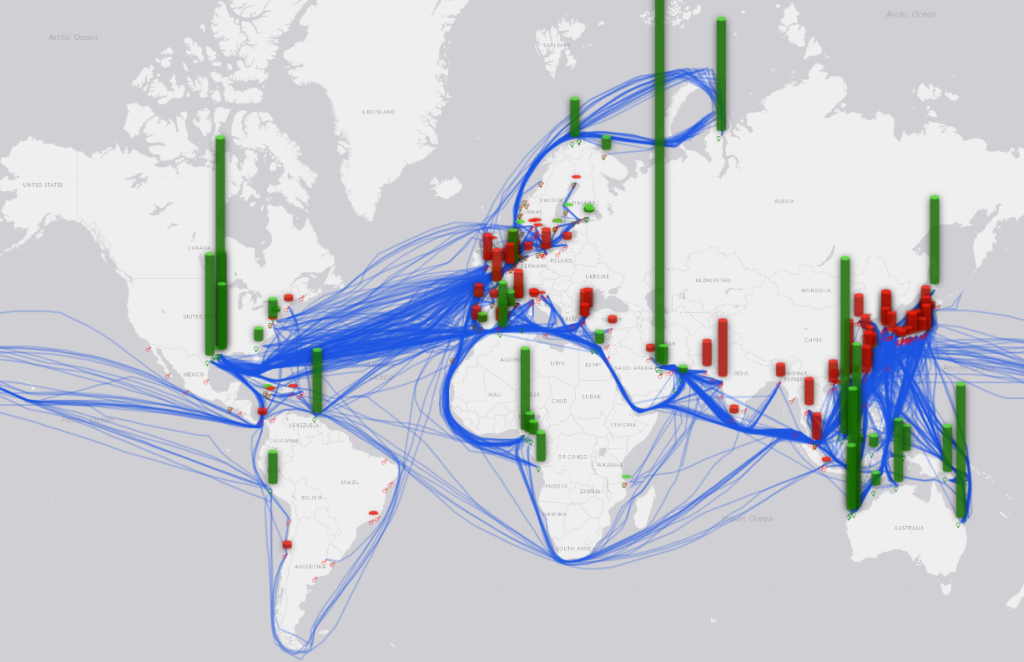
Highly Sensitive LNG Logistics System
LNG is not a common consumer product but a crucial cryogenic energy source, requiring extremely high levels of logistical coordination. Transportation necessitates the scheduling of regasification capacity, adherence to cryogenic storage conditions, and precise, demanding shipping schedules.
Any delays will lead to supply imbalances in downstream industries.
Ongoing Impact on the LNG Supply Chain
When instability occurs in the strait, the impact amplifies rapidly along the supply chain.
Increased Transport Delays and Uncertainty
According to a BBC report as of April 9th, since the ceasefire, only 11 vessels—3 oil tankers, 1 container ship, and 7 bulk carriers—have successfully passed through the strait. This is a significant drop compared to the average of 138 vessels passing through daily during peacetime, leading some vessels to delay or detour.
This change has also resulted in long queues and congestion at ports; the overall transport cycle has lengthened, making delivery times more unpredictable.
Comprehensive Increase in Operating Costs
Changes in the supply chain typically trigger a chain reaction in costs. Marine insurance costs, freight and fuel costs, and port and terminal handling fees have all risen sharply. LNG contract prices have also fluctuated. Internationally, there is already a reassessment of transport cost structures.
Downstream Energy Supply and Demand Imbalance
LNG is widely used in key sectors such as power generation, industrial manufacturing, chemical production, and city gas supply, making it a crucial basic energy source. Unstable upstream supply will affect power dispatch and continuous industrial production, potentially causing operational pressure on chemical plants and fluctuations in city gas supply, leading to energy chain imbalances. This will force companies to increase their use of backup energy, resulting in decreased overall energy efficiency and increased costs.
Implications for Global Energy-Intensive Industries
The uncertainties surrounding the Strait of Hormuz further demonstrate that global energy-intensive industries are facing higher-frequency supply chain volatility risks, the impact of which has expanded from energy trade to the stability of industrial production systems.
For industries highly dependent on LNG, such as power, chemicals, and manufacturing, the core challenge is no longer just “cost changes,” but rather supply continuity and dispatch certainty. If upstream transportation or regional channels are disrupted, companies will not only face fuel price fluctuations but may also be forced to adjust production loads, utilize alternative energy sources, and even impact overall capacity utilization.
This also means that energy procurement strategies are gradually shifting from a single cost-oriented approach to a comprehensive framework of “stability + diversification + contingency redundancy.” Companies with stronger supply chain resilience and energy substitution capabilities will have a more significant operational advantage in the future volatile environment.