Small-Scale Gas Power Generation for Stranded Gas
In the current oil and gas industry, small-scale gas power generation has proven to be one of the most direct and economical solutions to the stranded gas problem. Compared to traditional solutions such as LNG or CNG, wellhead power generation enables on-site conversion, rapid deployment, and generates sustainable revenue while reducing carbon emissions.
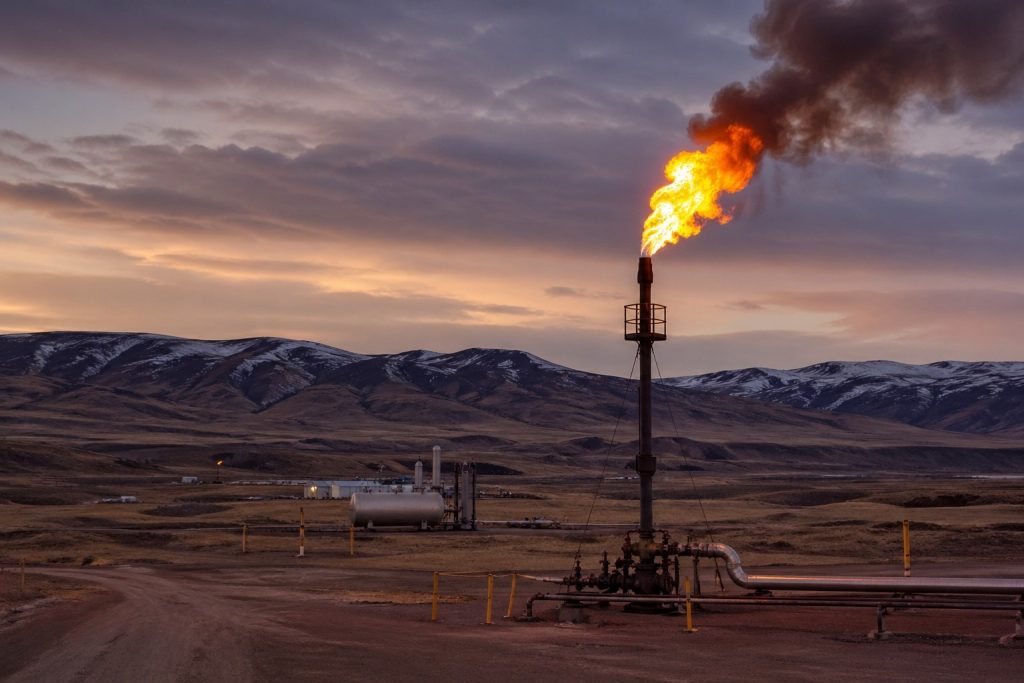
Therefore, for projects with decentralized gas sources, small-scale wellheads, or in remote areas, converting natural gas into electricity, rather than transporting or venting it, is a more feasible engineering option.
Why Choose Wellhead Power Generation?
For a long time, the processing of stranded gas has faced insufficient scale to support traditional energy infrastructure. According to World Bank data, approximately 151 billion cubic meters of natural gas were directly burned globally in 2024, representing a huge energy waste and environmental burden.
In our past involvement in gas projects, we have commonly encountered similar situations: gas sources exist, but economies of scale cannot be achieved. This has led many companies to repeatedly weigh the options between “utilization and abandonment.”
The logic of gas power generation is very simple: directly converting natural gas into electricity. This shift in thinking essentially lowers the barrier to entry for projects.
How to Implement a Small-Scale Natural Gas Power Generation System?
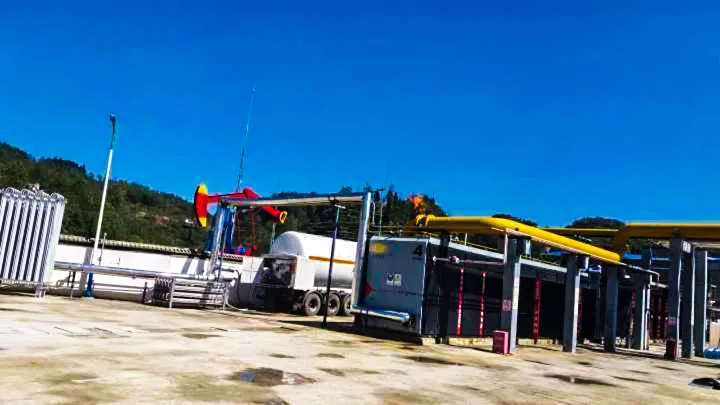
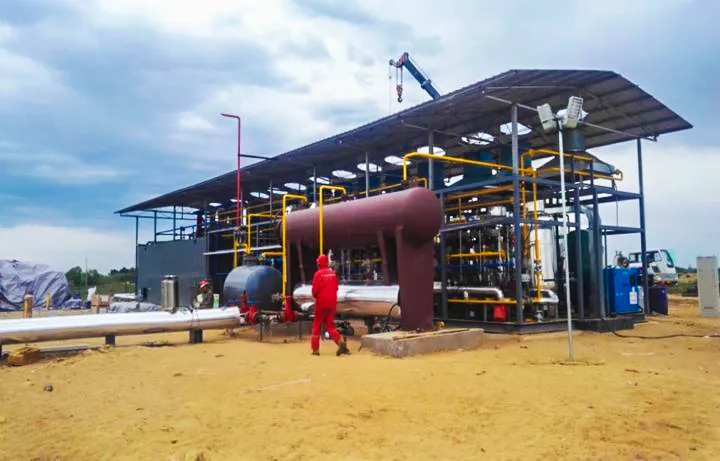
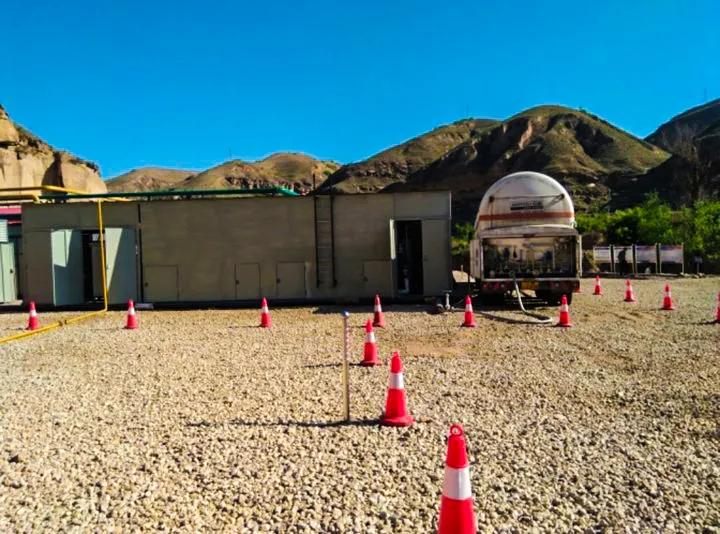
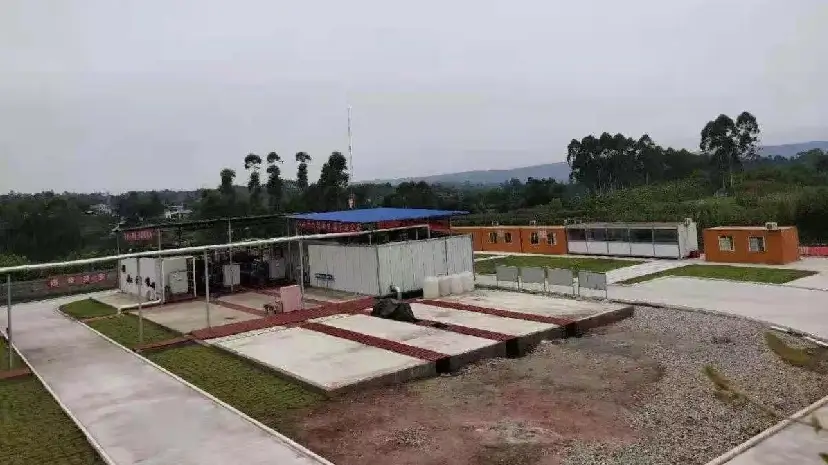
Based on our over 20 years of experience in the fragmented natural gas sector, small-scale natural gas power generation systems typically employ a skid-mounted integrated design. This mainly consists of three structural components: a gas pretreatment module for natural gas dehydration and desulfurization, a gas engine or micro gas turbine, and a generator set and intelligent control system.
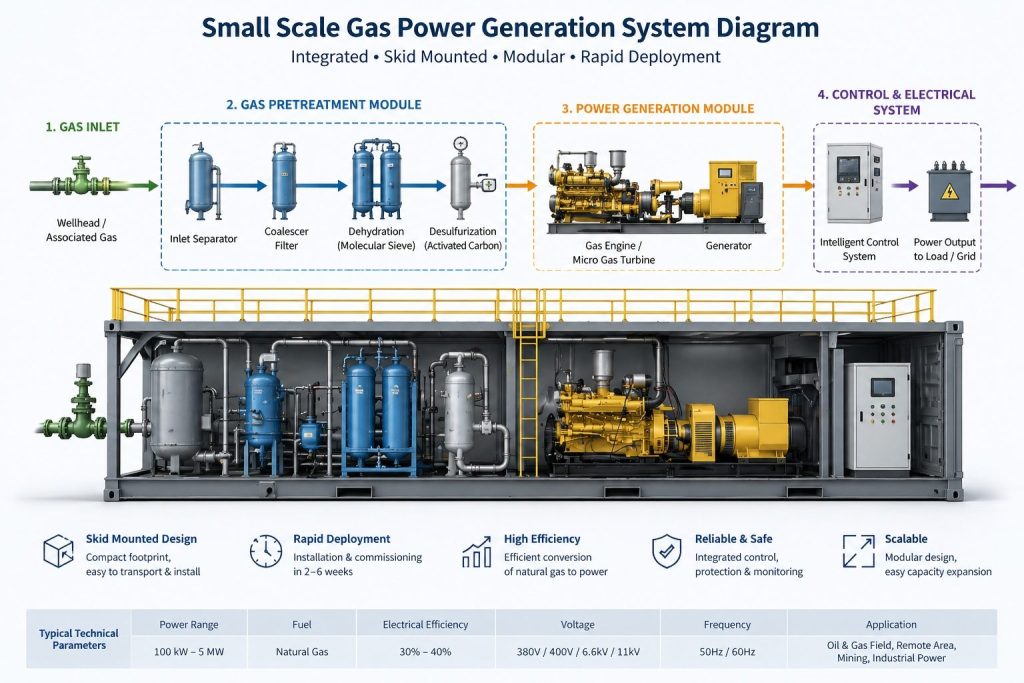
In practical project applications, we have found that system stability often depends on two key factors:
1. Gas Source Adaptability
Wellhead natural gas typically requires pretreatment due to its low pressure, fluctuating composition, and high impurity content. A lack of effective pretreatment design can easily lead to equipment failure or reduced efficiency.
2. Load and Gas Flow Matching Capacity
Fragmented natural gas is typically discontinuous. When implementing projects for clients, we introduce buffer systems and automatic load regulation to effectively improve system operational stability and avoid problems such as “gas available but unable to generate electricity” or “unstable power generation.”
Why is natural gas power generation considered the “most realistic solution”?
During the project decision-making phase, our clients are always primarily focused on ROI. Based on our over 20 years of engineering experience, the economic advantages of small-scale natural gas power generation are mainly reflected in the following three aspects:
Replacement of High-Cost Energy
In remote areas or off-grid environments, diesel power generation remains the mainstream power supply method, but its overall cost has long been high. According to data from the International Energy Agency, the levelized cost of electricity (LCOE) for diesel power generation is typically between $0.20 and $0.40/kWh, and even higher in areas with difficult transportation.
In contrast, natural gas power generation, when gas supply is available, has significantly lower fuel costs. Related industry research shows that the LCOE of natural gas power generation can typically be controlled within the range of $0.05–0.15/kWh, approximately 30%–60% of the cost of diesel power generation.
Reduced Ineffective Losses
Compared to direct venting or combustion, power generation can convert what would otherwise be “worthless gas” into “revenue.”
Converting scattered natural gas into electricity output directly generates economic value; it replaces purchased electricity or diesel generators, reducing operating costs; and it reduces carbon emissions, alleviating environmental compliance pressures.
From an engineering perspective, even small-scale gas sources (such as a few hundred Nm³/h) can achieve stable power output through small-scale power generation systems, significantly improving gas utilization. In some projects, natural gas utilization rates can be increased from less than 50% to over 80%.
Short Investment Recovery Period
Compared to LNG or CNG solutions, small-scale natural gas power generation systems offer greater flexibility in investment structure. Based on industry project experience and equipment supplier data, the unit investment for small-scale gas-fired power generation systems typically ranges from $800 to $1500/kW, significantly lower than the overall investment in liquefaction or compression systems.
Meanwhile, the skid-mounted design gives the project the following characteristics:
- Rapid deployment: Installation and commissioning can typically be completed in 2–6 weeks.
- Low infrastructure dependence: No need for large pipelines or liquefaction plants.
- High scalability: Capacity can be gradually expanded according to gas volume.
In practical applications, combined with fuel cost savings and electricity revenue, the project payback period is typically 1–3 years (depending on gas volume, electricity price, and operating time).
This is why, among various gas utilization pathways, more and more companies are prioritizing natural gas power generation rather than LNG or CNG solutions, which have longer investment cycles and higher barriers to entry.
A Practical Comparison with LNG/CNG Solutions
Based on our experience in hundreds of projects, we are able to help our clients select the right solution.
| Solution | Engineering Features | Applicability |
| Gas Power Generation | Quick deployment, low investment | Small-scale, decentralized gas sources |
| LNG | High added value | Large-scale gas sources |
| CNG | Flexible transportation | Medium-scale projects |
Which Projects are Best Suited?
In the oil and gas industry, a growing number of companies are viewing small-scale natural gas power generation as a long-term solution to replace flaring, achieving the dual goals of resource utilization and emissions reduction.
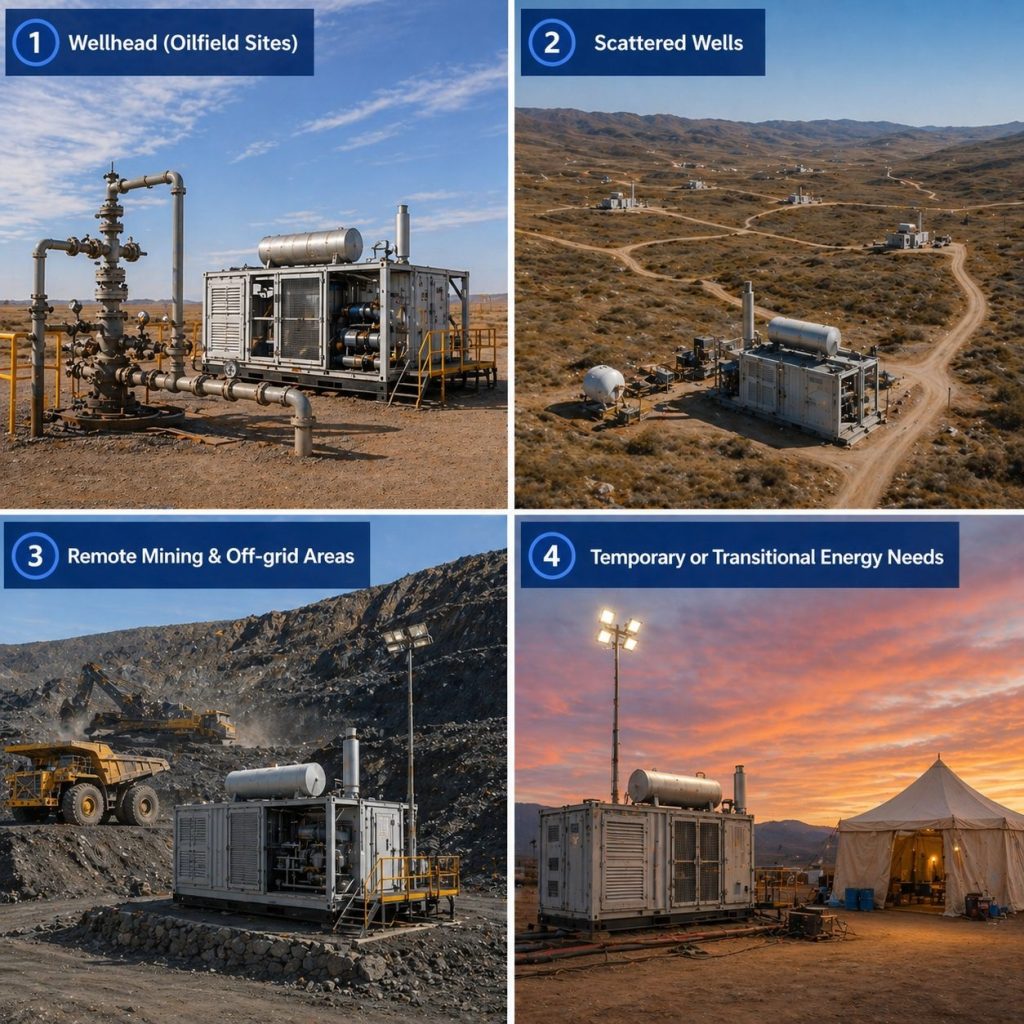
| Application Scenario | Scenario Characteristics | Key Value |
| Wellhead Gas (Oilfield Sites) | Scattered gas sources, low pressure, and fluctuating supply | Enables on-site power generation, reduces flaring, and improves gas utilization |
| Scattered Wells | Multiple distributed wells with low individual gas output, difficult to centralize | Modular deployment allows flexible integration and scalable gas utilization |
| Remote Mining & Off-grid Areas | No grid access or unstable power supply | Replaces diesel generation, lowers energy costs, and improves power reliability |
| Temporary or Transitional Energy Needs | Uncertain project duration and variable power demand | Fast deployment and mobility, ideal for short-term or transitional use |